Architectural heritage, sustainability and digital innovation at the heart of the Manens-led project
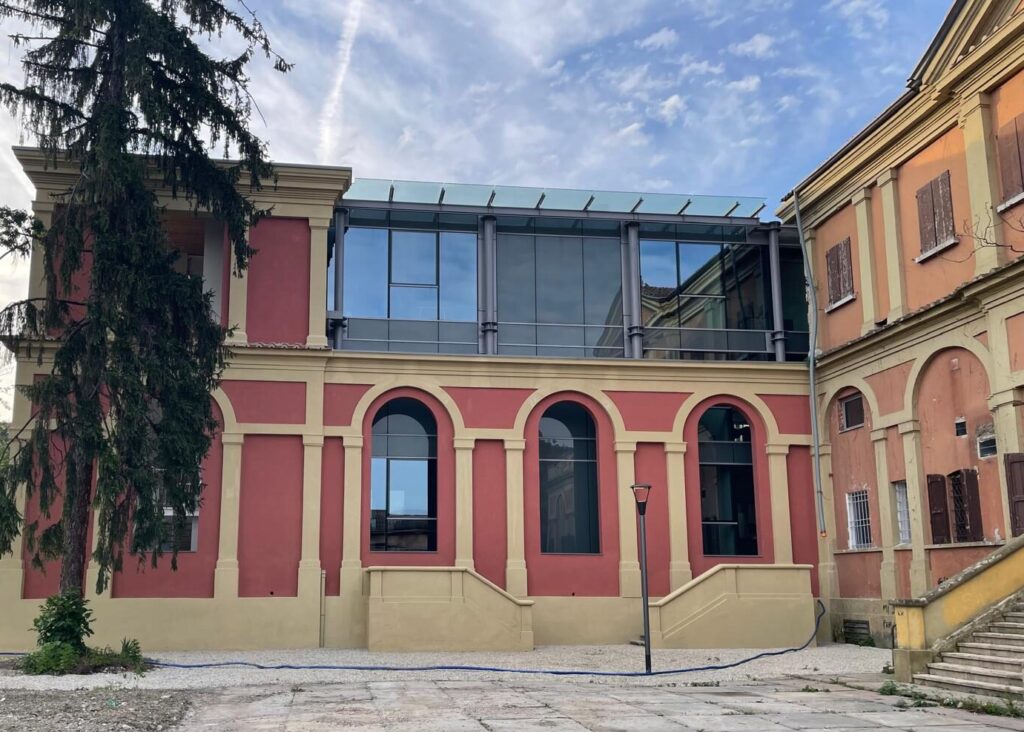
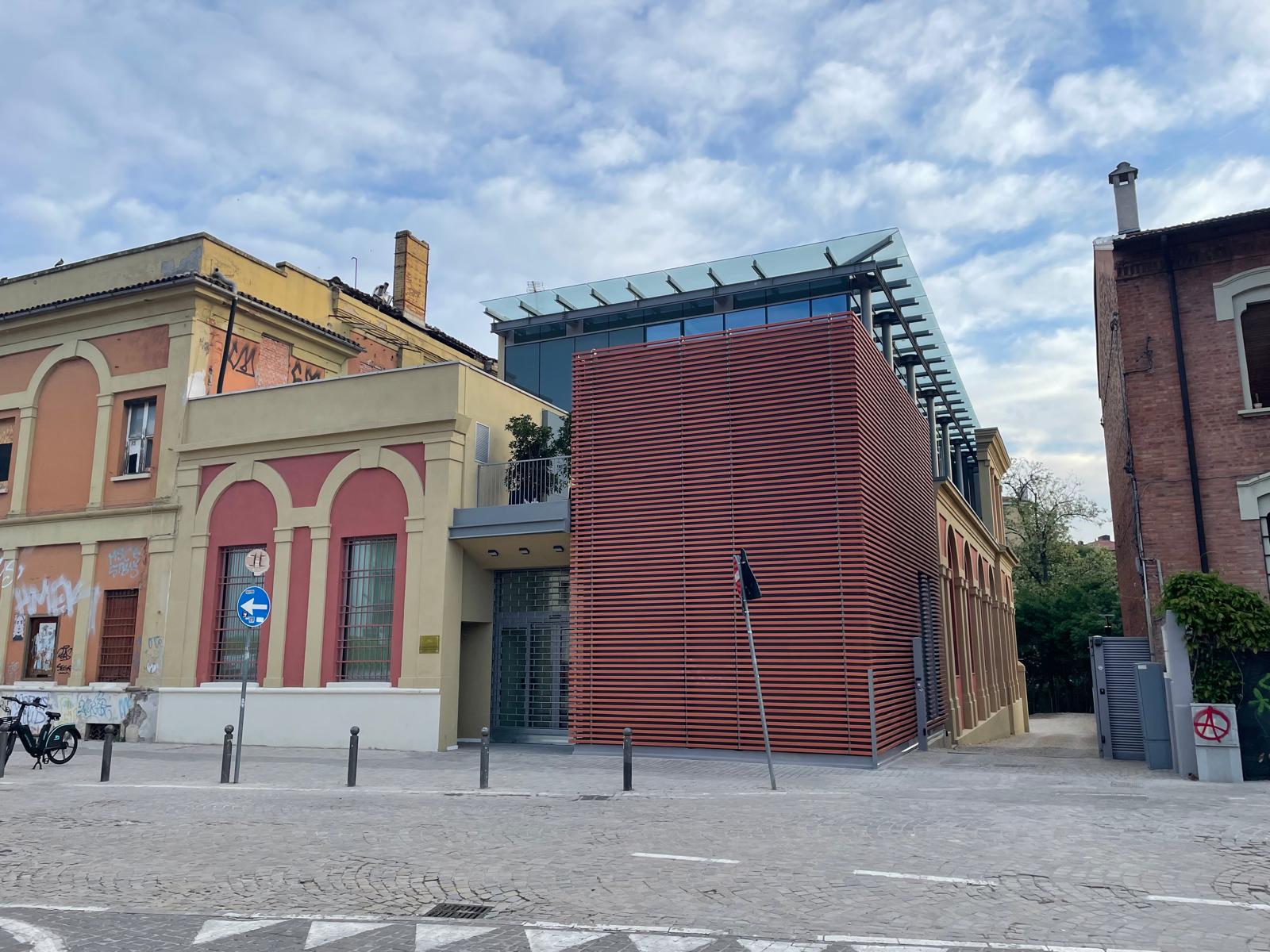
Bologna, 20 April 2026 – The former Cinema Embassy is coming back to life, in a completely new form. Bologna has officially inaugurated the new headquarters of the Emilia‑Romagna Regional Directorate of the Italian State Property Agency (Agenzia del Demanio), following a complex urban regeneration project that has transformed one of the city’s historic buildings into a modern public smart building, combining memory, sustainability and technological innovation.
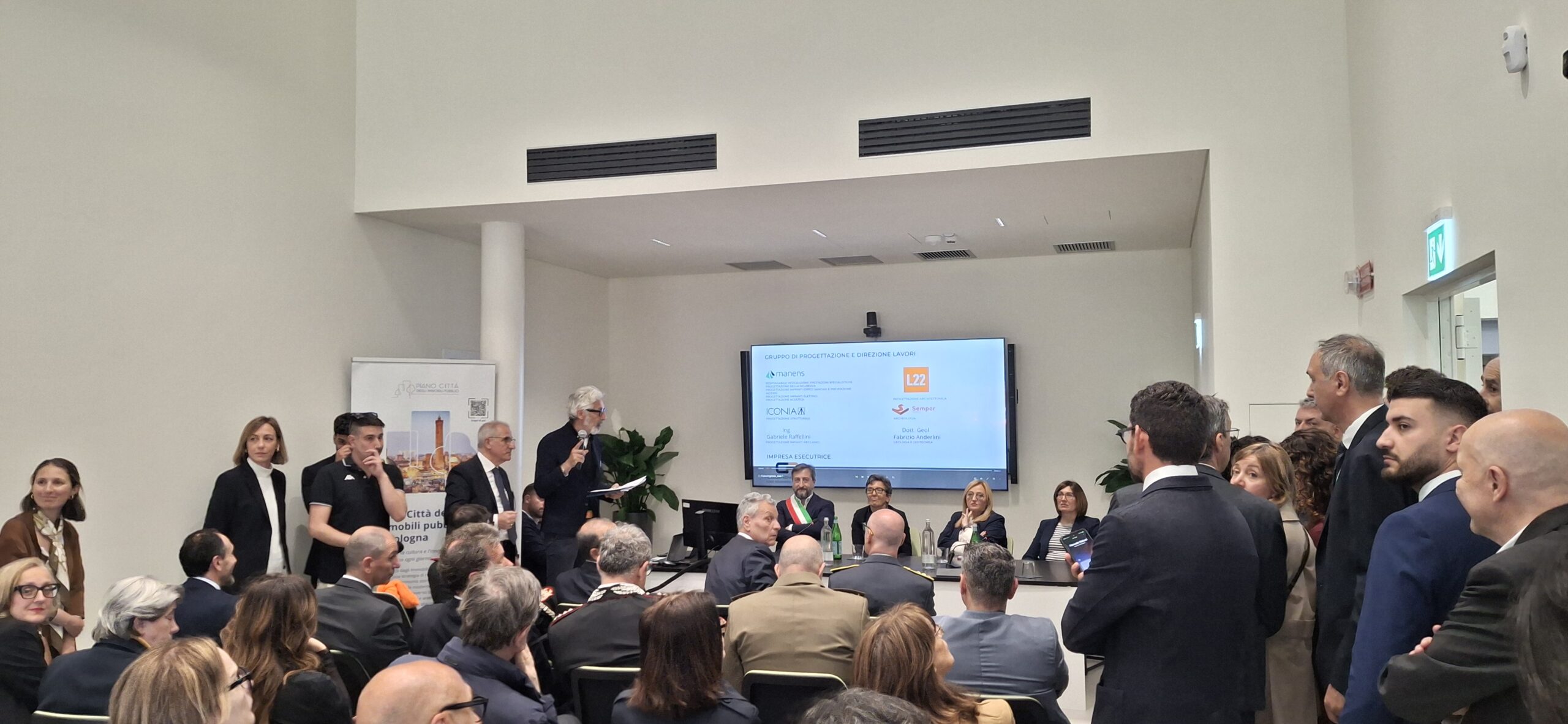
The ribbon‑cutting ceremony was attended by Michele de Pascale, President of the Emilia‑Romagna Region, Raffaele Laudani City Councilor of Bologna, Lucia Albano, Undersecretary of State at the Ministry of Economy and Finance, Alessandra dal Verme, Director of the State Property Agency, and Simona Tondelli, Vice‑Rector of the University of Bologna, together with the designers and key contributors who brought the Embassy back to the city.
Representing Manens, Architect Pierpaolo Bortolami, Project Manager, attended the event together with the partners of the Temporary Consortium (ATI) – Iconia, Lombardini22, Semper and Studio Raffellini. The collaborative work of the multidisciplinary team made it possible to address the complexity of a historic building through an integrated approach, capable of coordinating architecture, building systems, safety, sustainability and digital innovation.
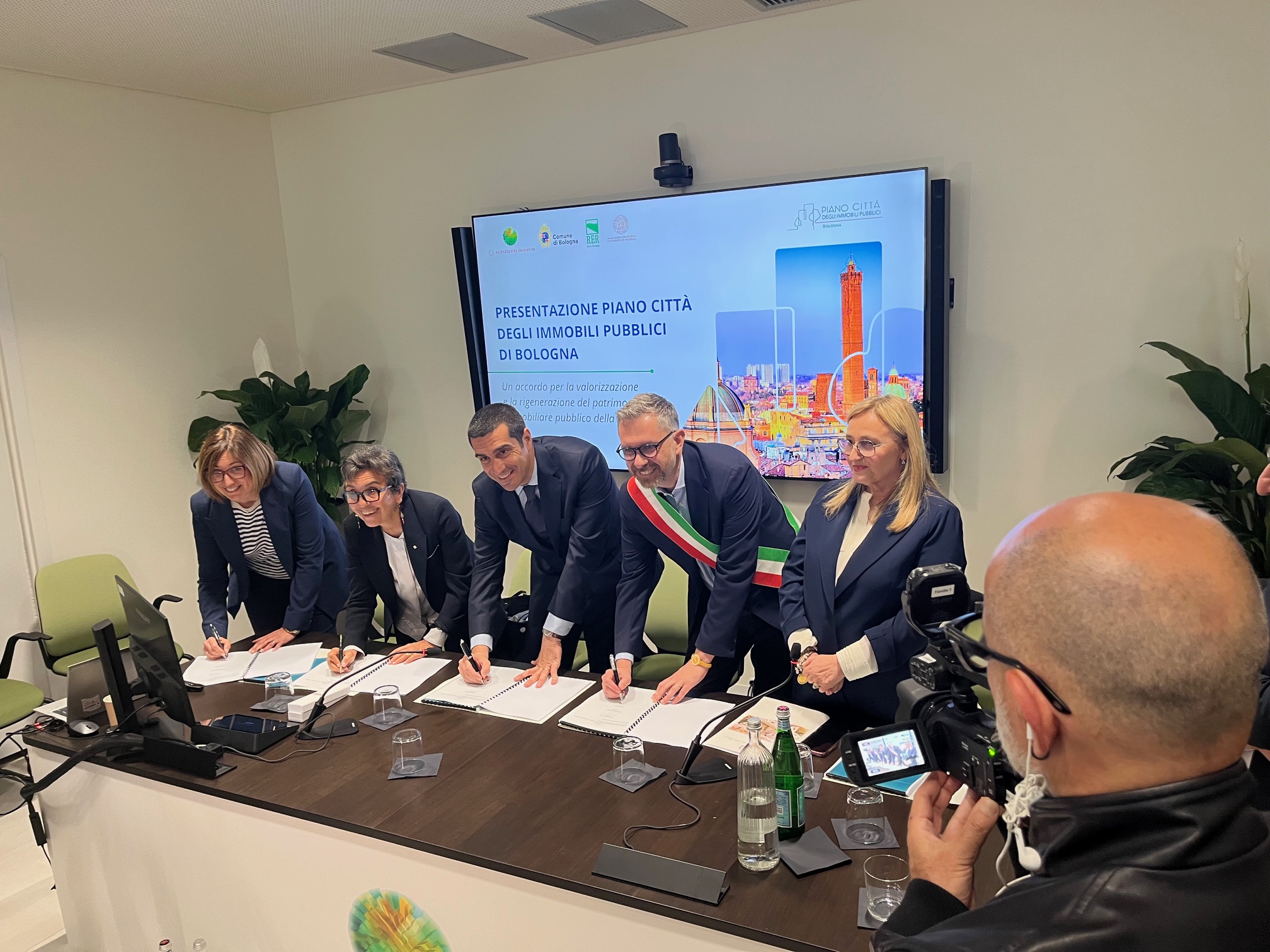
On the same day, the Agreement for the Bologna Public Property City Plan was also signed, the instrument through which the State Property Agency and the Municipality outline a shared vision for the enhancement and sustainable regeneration of the city’s public real‑estate assets.
Manens’ role in the project
Within the redevelopment project, Manens S.p.A. assumed leadership of the ATI following the acquisition of STEAM S.r.l. in 2023, continuing in its role as lead designer for the final and detailed architectural and building works, as well as for the mechanical and electrical systems, safety coordination, fire‑prevention aspects and environmental sustainability strategies.
Manens also oversaw overall construction management and operational supervision of technological systems, ensuring constant site presence and quality control throughout the entire construction process.
The three key elements of the Embassy’s renewal
To adapt the building to the needs of a modern public headquarters while preserving its historic value, the redevelopment of the former Cinema Embassy was structured around three key elements: architectural preservation, energy sustainability, and digital innovation.
Architectural restoration and enhancement
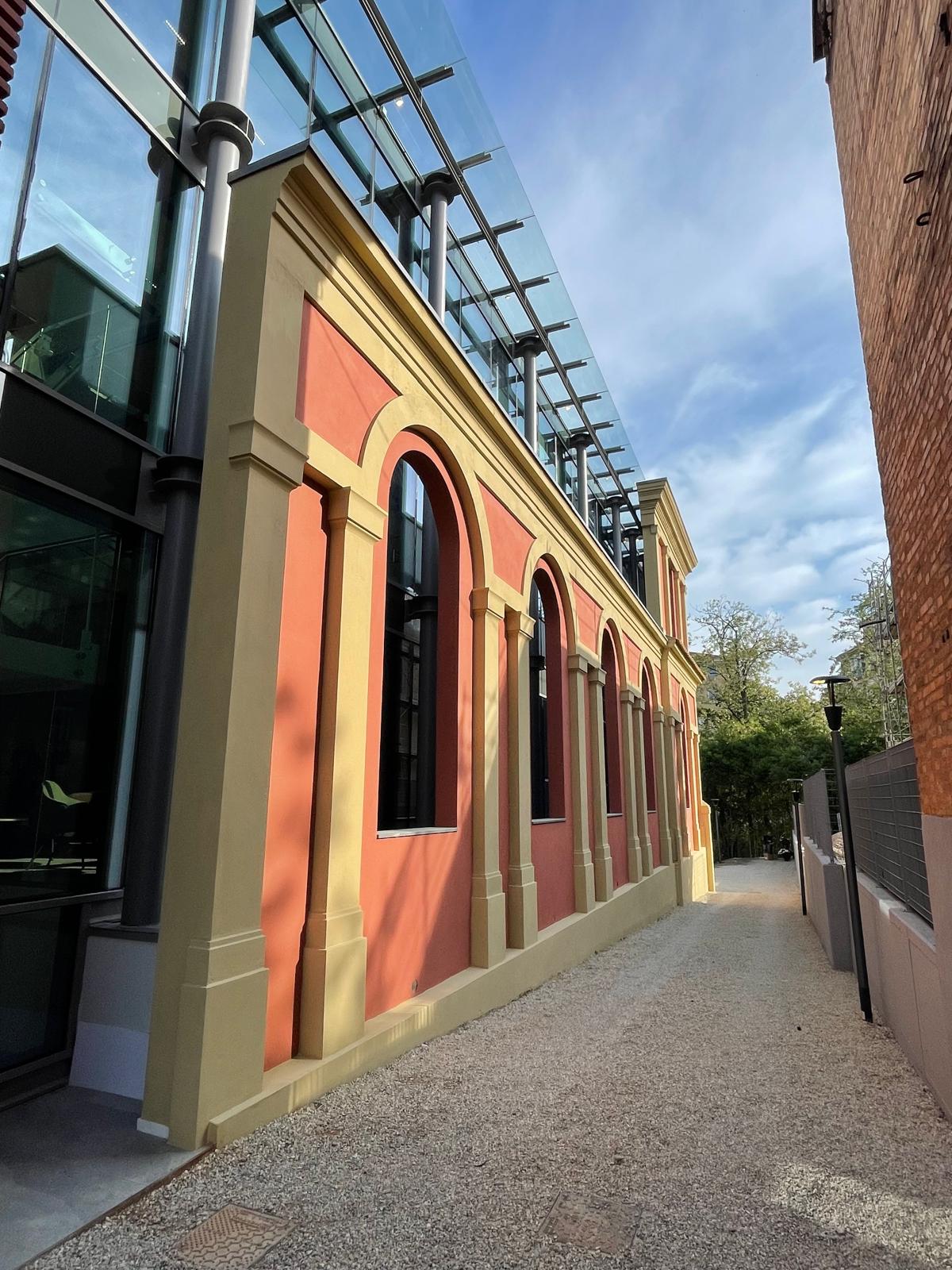
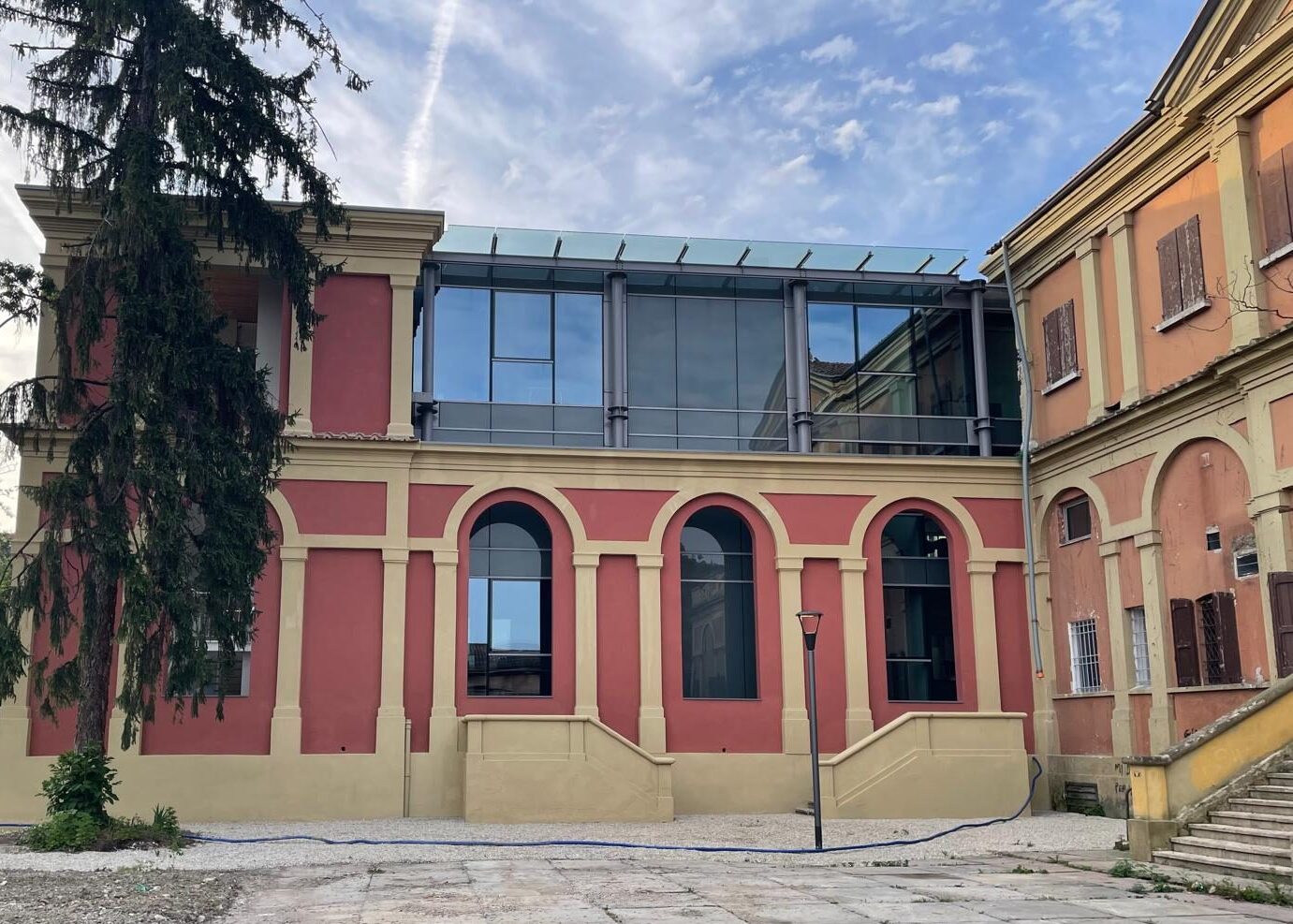
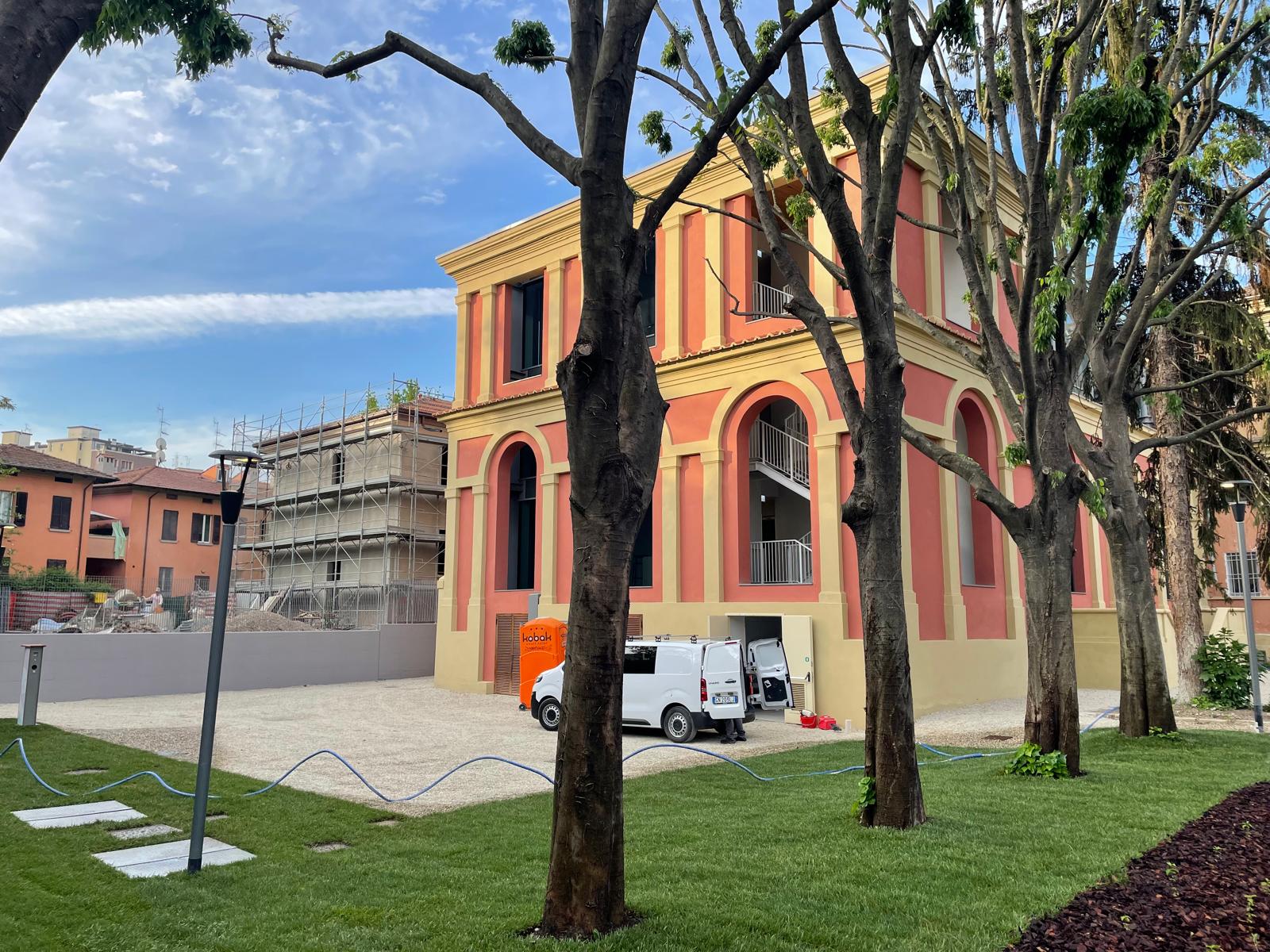
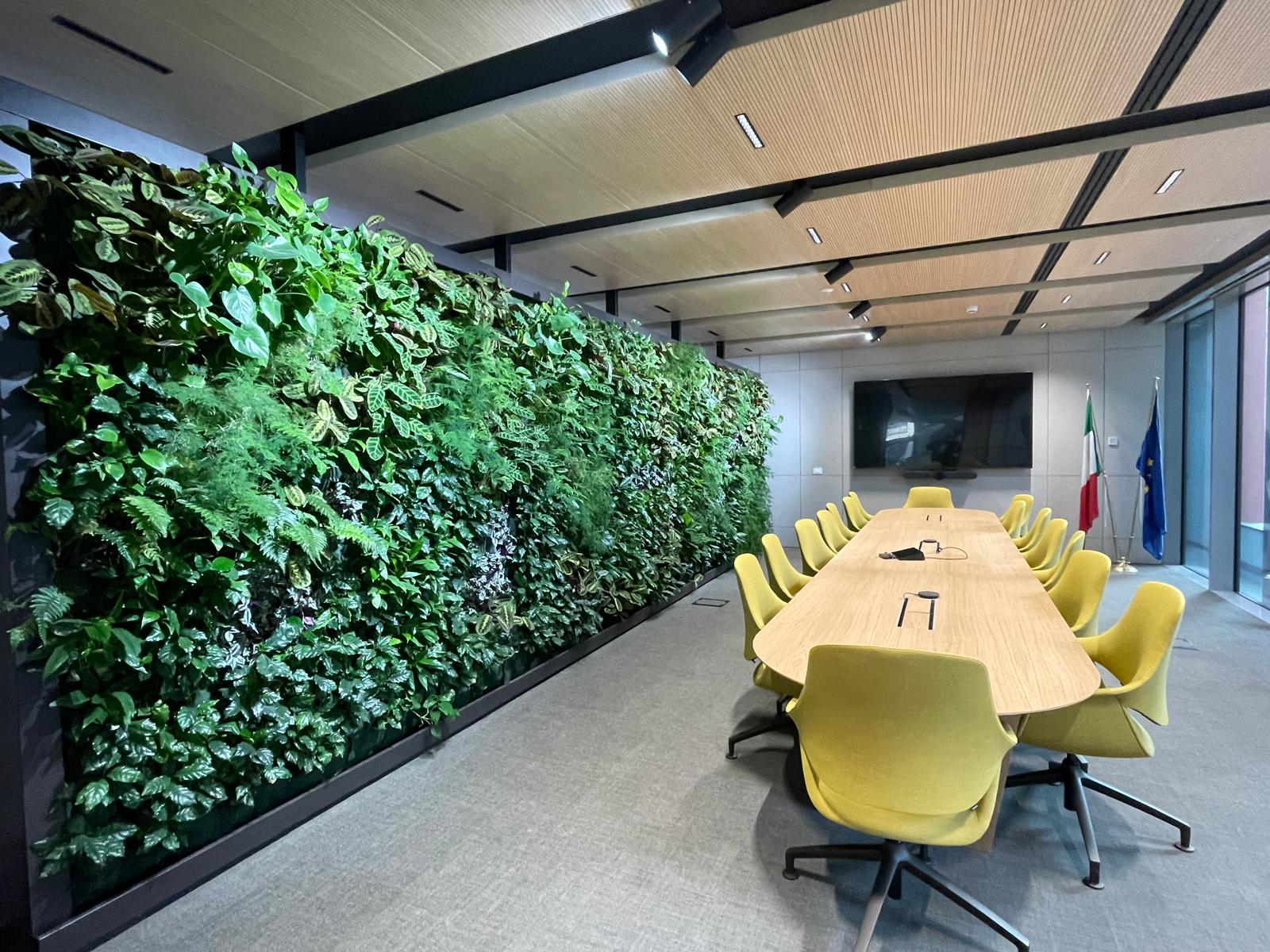
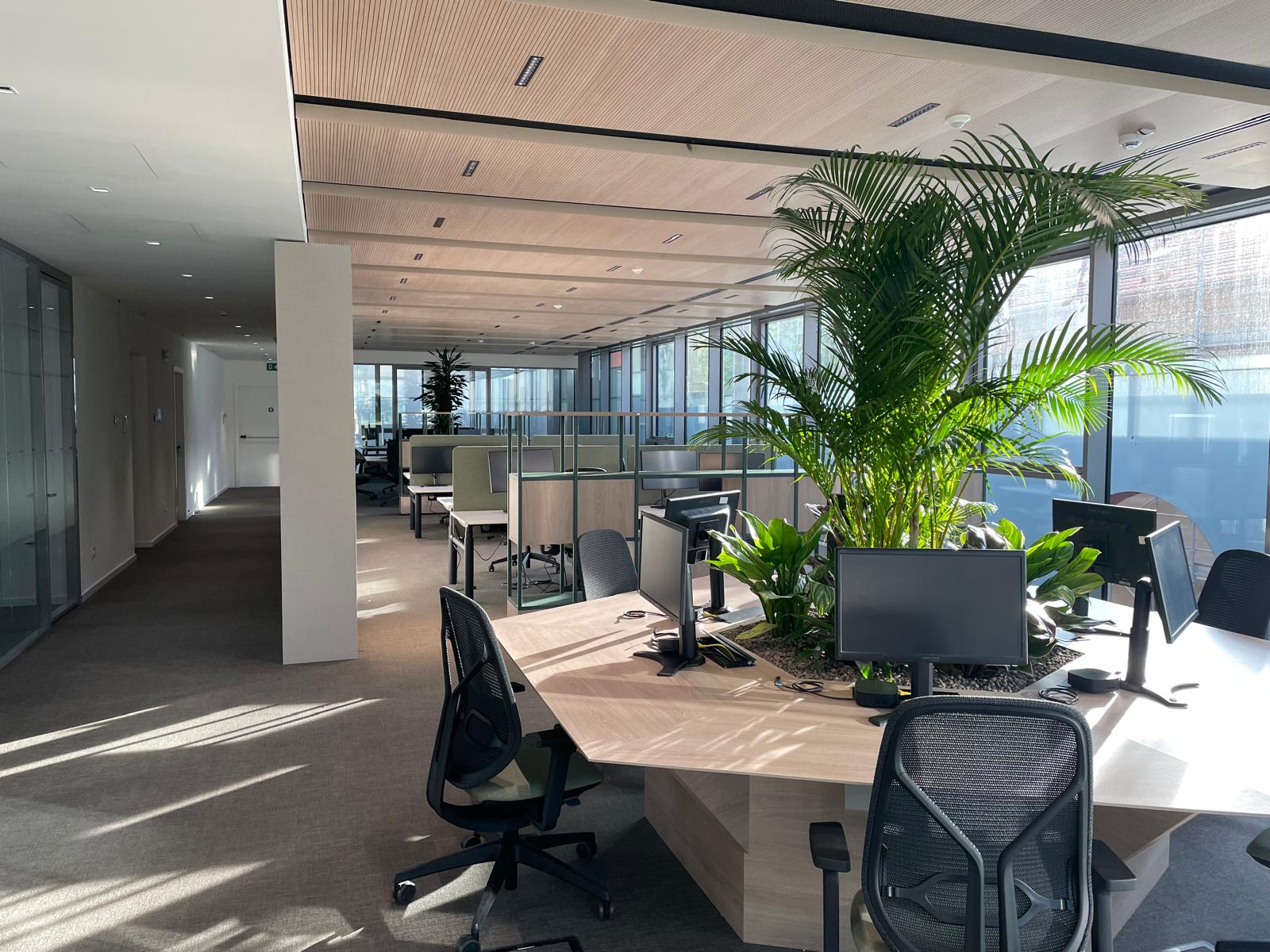
The historic façades, dating back to the early twentieth century, have been preserved and enhanced. Arches, mouldings, cornices and pilasters now once again engage in dialogue with the neighboring Palazzina Magnani, restoring a valuable sense of architectural and urban continuity. Within this protected historical shell, the interior has been completely redesigned to accommodate flexible workspaces, offices and a conference hall, blending historic identity with contemporary functional requirements.
The construction site also developed over protected archaeological remains, requiring particularly careful management of all execution phases. Demolition works and foundation activities were accompanied by continuous archaeological monitoring, leading to the exposure and safeguarding of discovered remains in close coordination with the Superintendence of Cultural Heritage. Each operational phase was assessed and adapted during construction to ensure safety, continuity of works and full protection of the historical heritage.
Sustainability and energy efficiency
Strong focus was placed on energy sustainability. The building reduces reliance on traditional energy sources through the combined use of photovoltaic panels for electricity generation and solar thermal systems for domestic hot water, while fully electric climate‑control systems allow independent regulation of different zones, optimizing energy consumption according to actual space usage.
Heat-recovery and air‑renewal systems complement these solutions, essential for maintaining high indoor air quality, and by intelligent LED lighting that automatically adjusts brightness based on occupancy and natural daylight.
Together, these measures enable the building to target Energy Class A4, achieve NZEB (Nearly Zero Energy Building) standards, and pursue LEED GOLD certification, delivering tangible benefits, including reduced consumption, improved comfort, and long‑term operating cost savings.
PROJECT TEAM
MANENS S.p.A.
Lead Specialist Performance Integrator: Eng. M. Strada
Architectural Design & Safety Coordination: Arch. P. Bortolami
Plumbing Systems & Fire Prevention Design: Eng. S. Cappelletti
Electrical Systems Design: Eng. R. Curci
Acoustic Design: Eng. A. Lisiero
Architectural Co‑Design: Arch. M. Amosso (LOMBARDINI22)
Structural Design: Eng. R. Vitaliani (ICONIA)
Mechanical Systems Design: Eng. G. Raffellini
Archaeology: SEMPER S.A.S.
Geology: Geol. F. Anderlini
CONSTRUCTION MANAGEMENT
MANENS S.p.A.
Construction Manager: Eng. D. Ballis
Site Inspection & Construction Coordination: Eng. L. Beordo
Safety Coordination (Design & Construction Phases): Eng. L. Andrean
Safety Coordination Inspection: Eng. B. Peruzzo
Electrical & Special Systems Site Supervision: Eng. R. Curci
Fire Prevention, Plumbing & Firefighting Systems Site Supervision: Eng. Simone Cappelletti
LEED Management & Energy Certification: Eng. G. Romano
LEED Certification Inspection & Verification: Eng. M. Deplano
Lombardini22 S.p.A.
Architectural Site Supervision: Arch. M. Amosso
Architectural Site Inspection: Arch. L. Ricco
Studio Ing. Raffellini
Mechanical Systems Site Supervision: Eng. G. Raffellini
Mechanical Systems Site Inspection: Eng. R. Panella