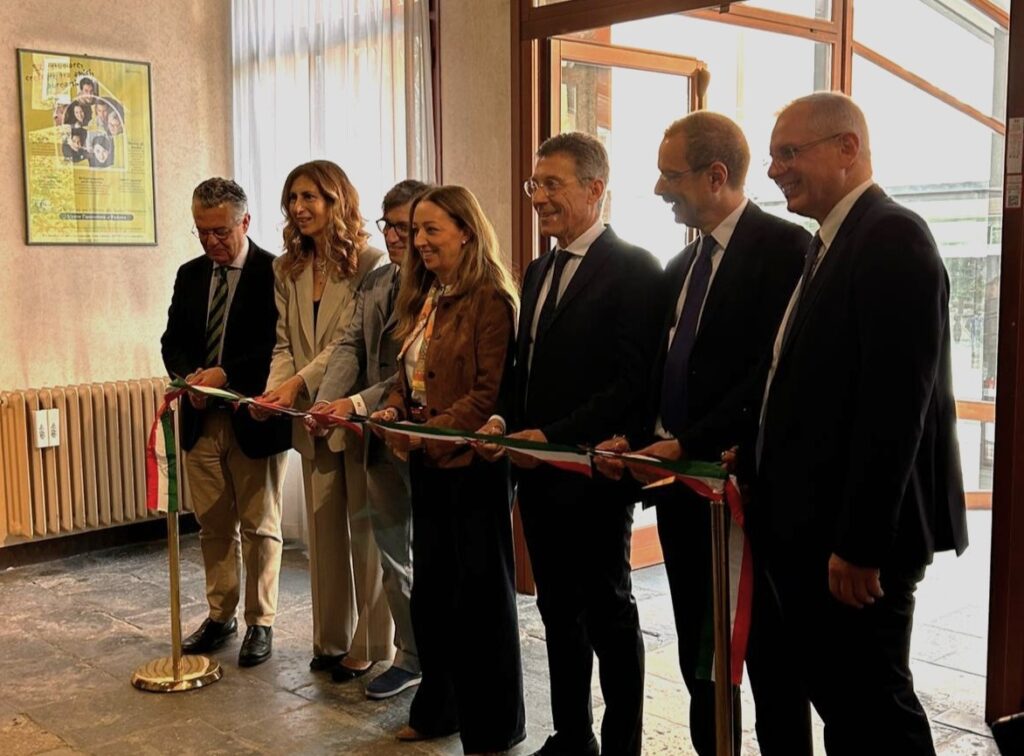
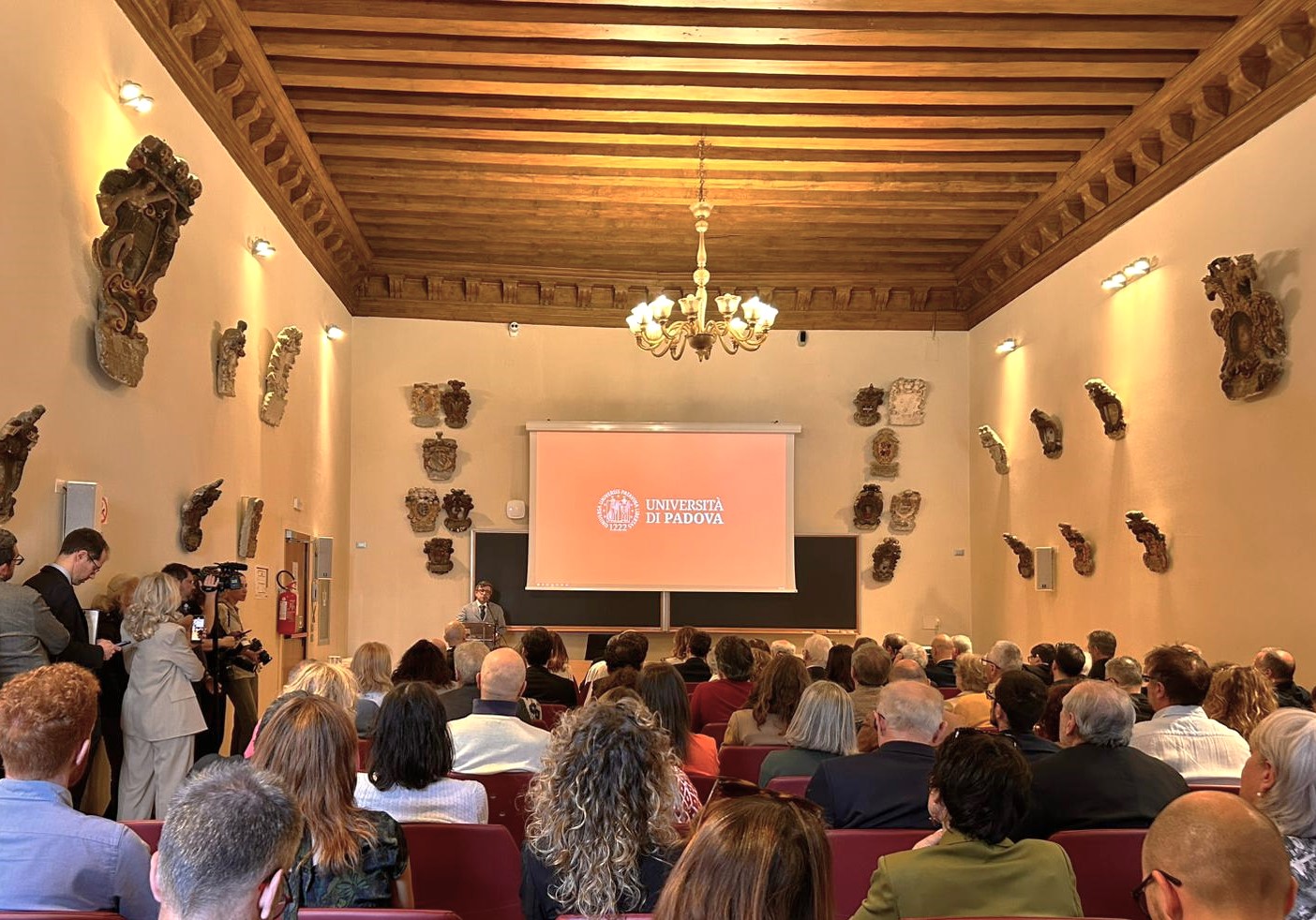
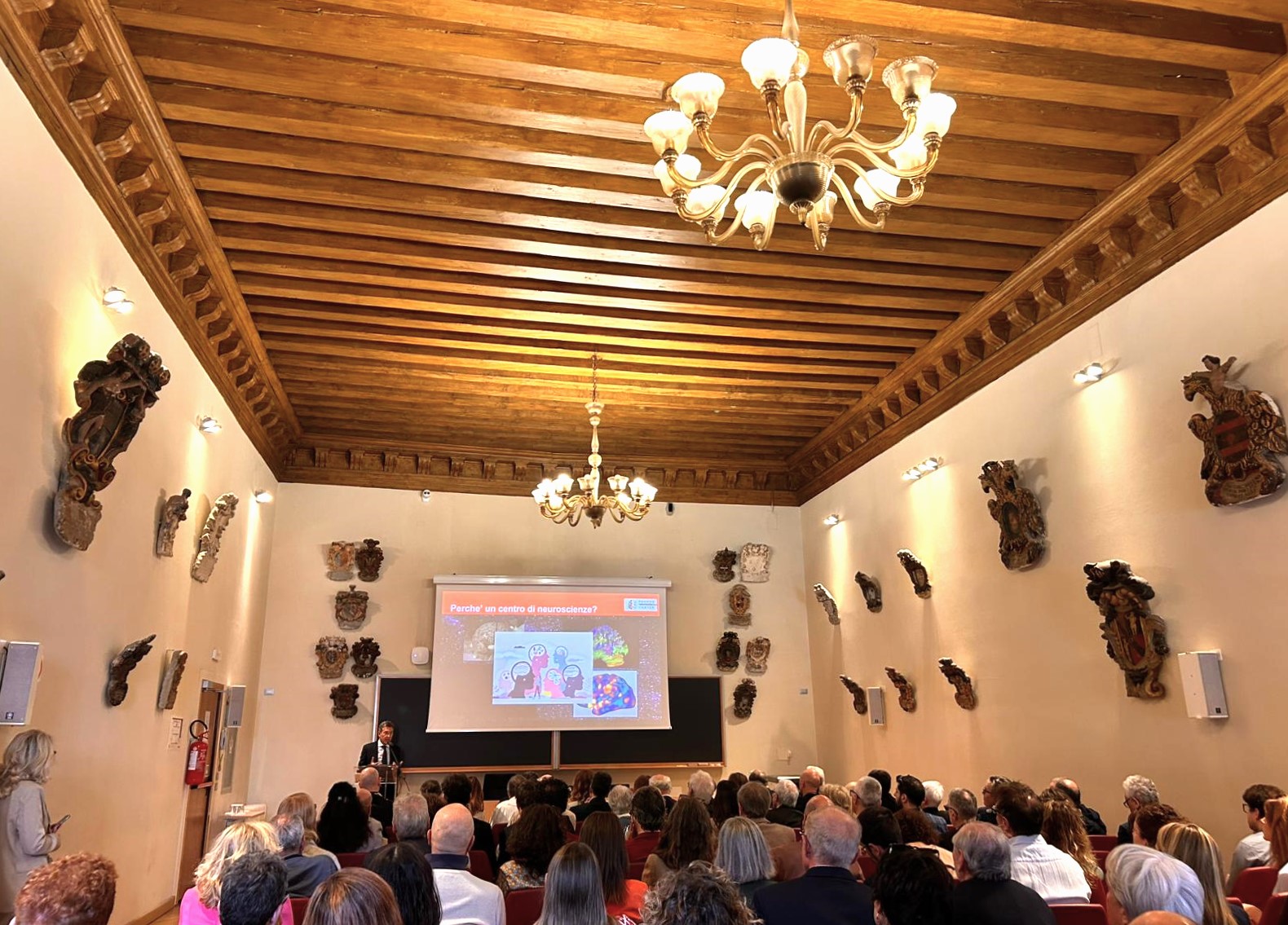
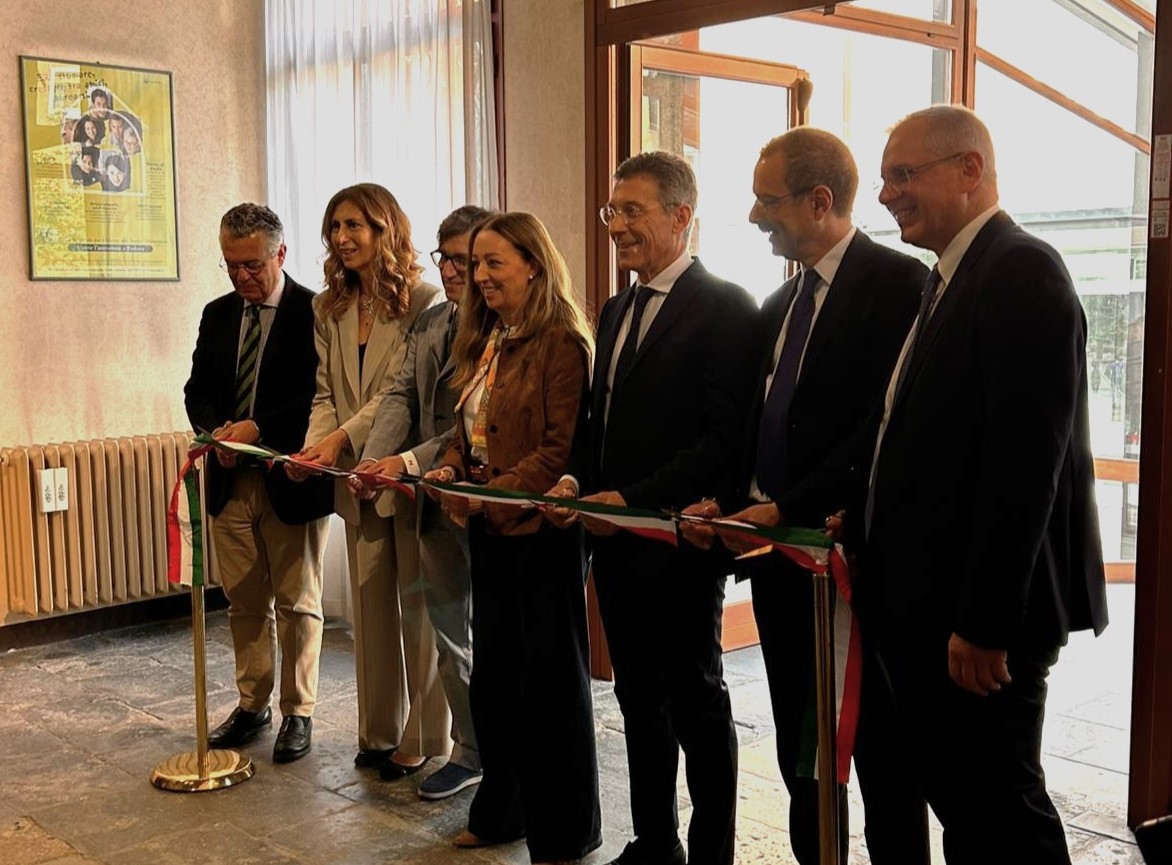
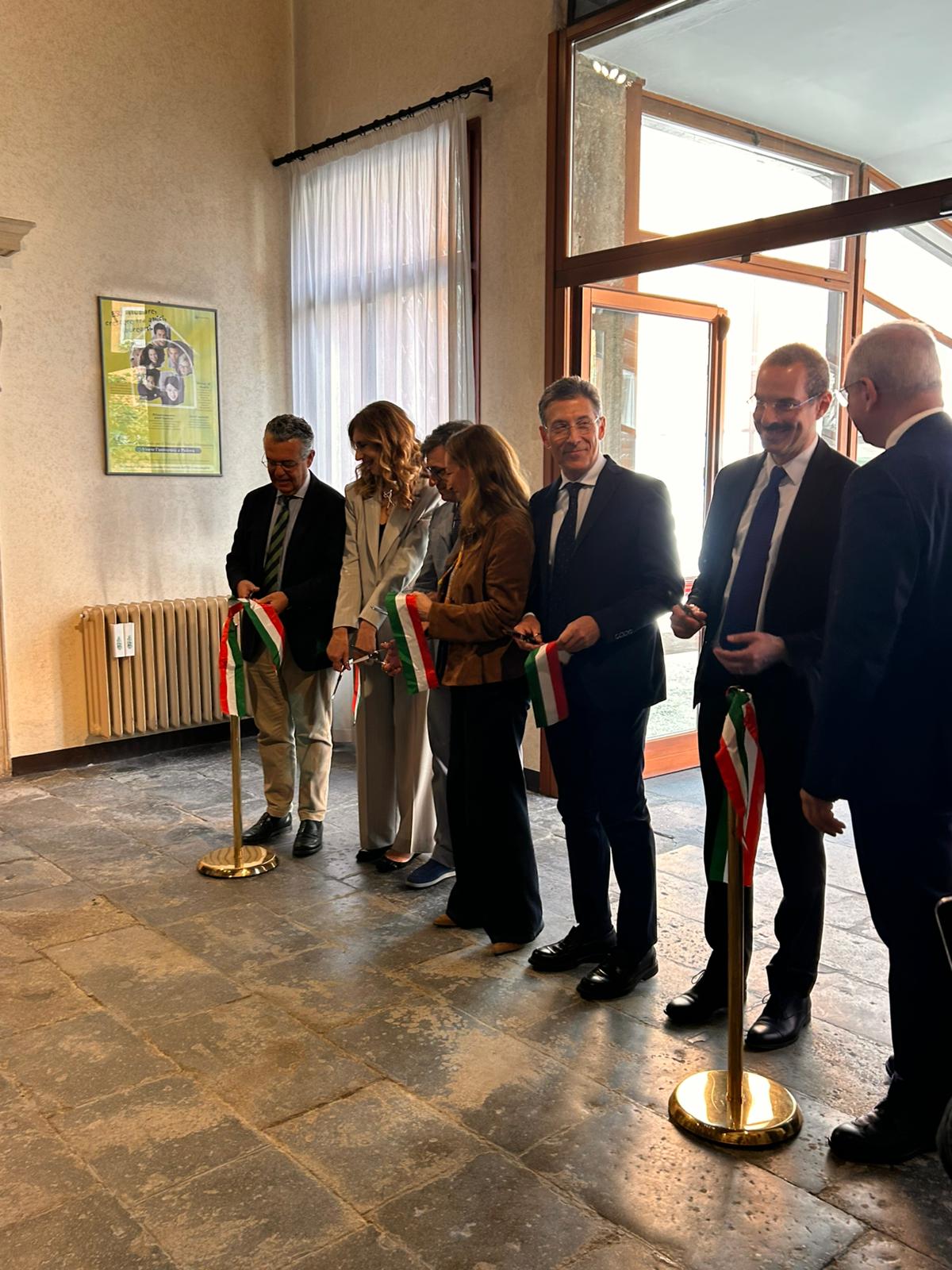
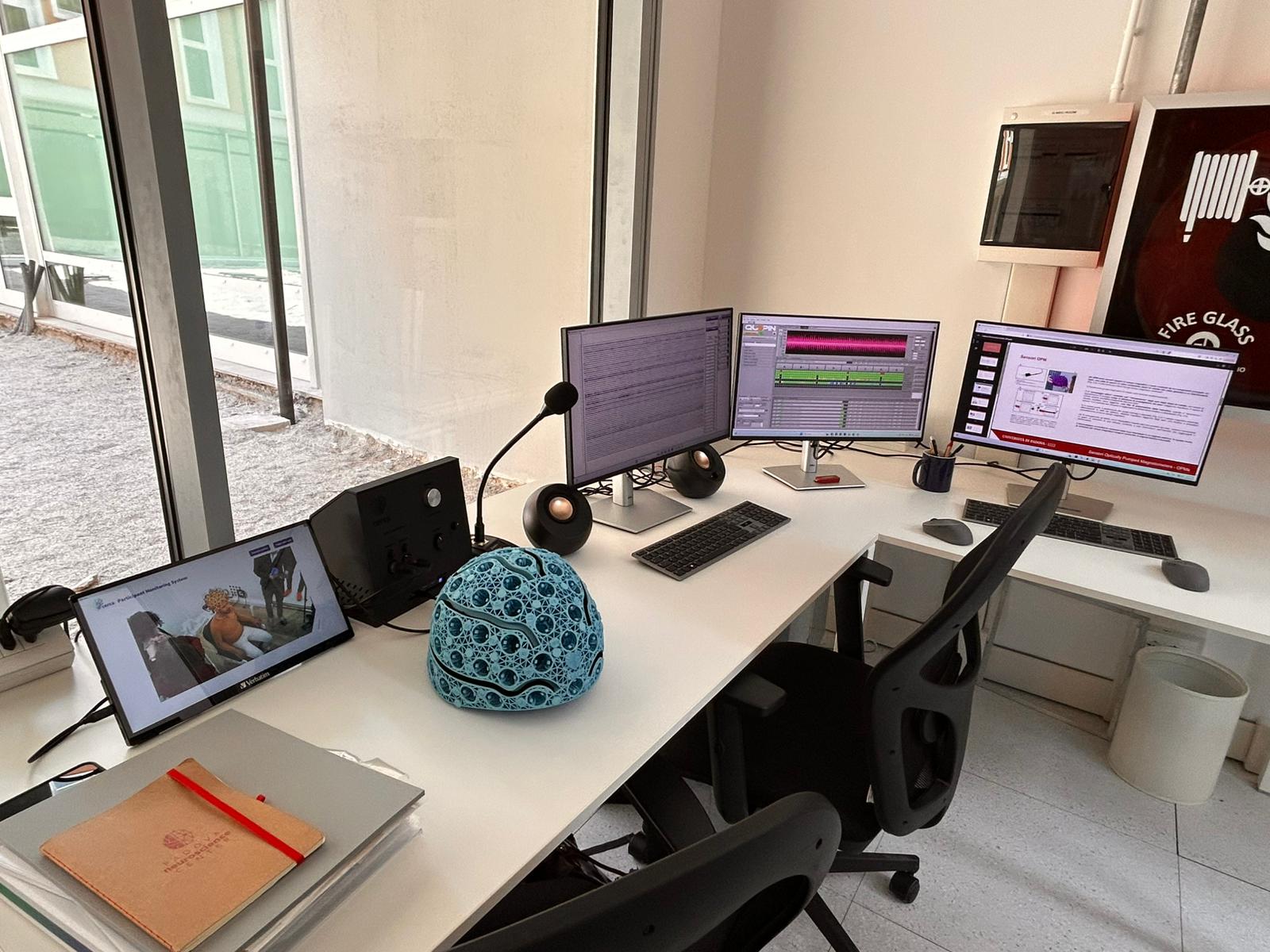
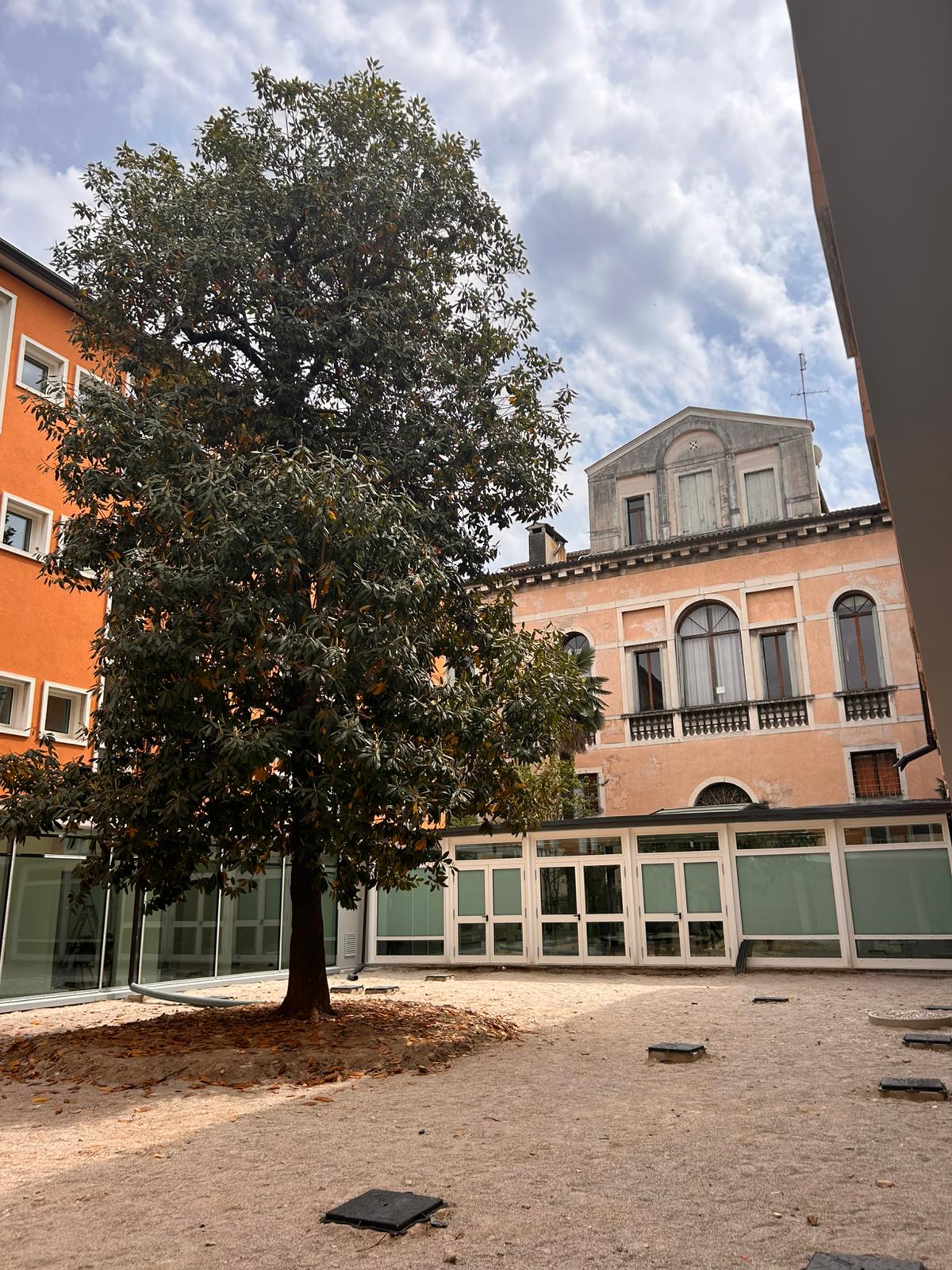
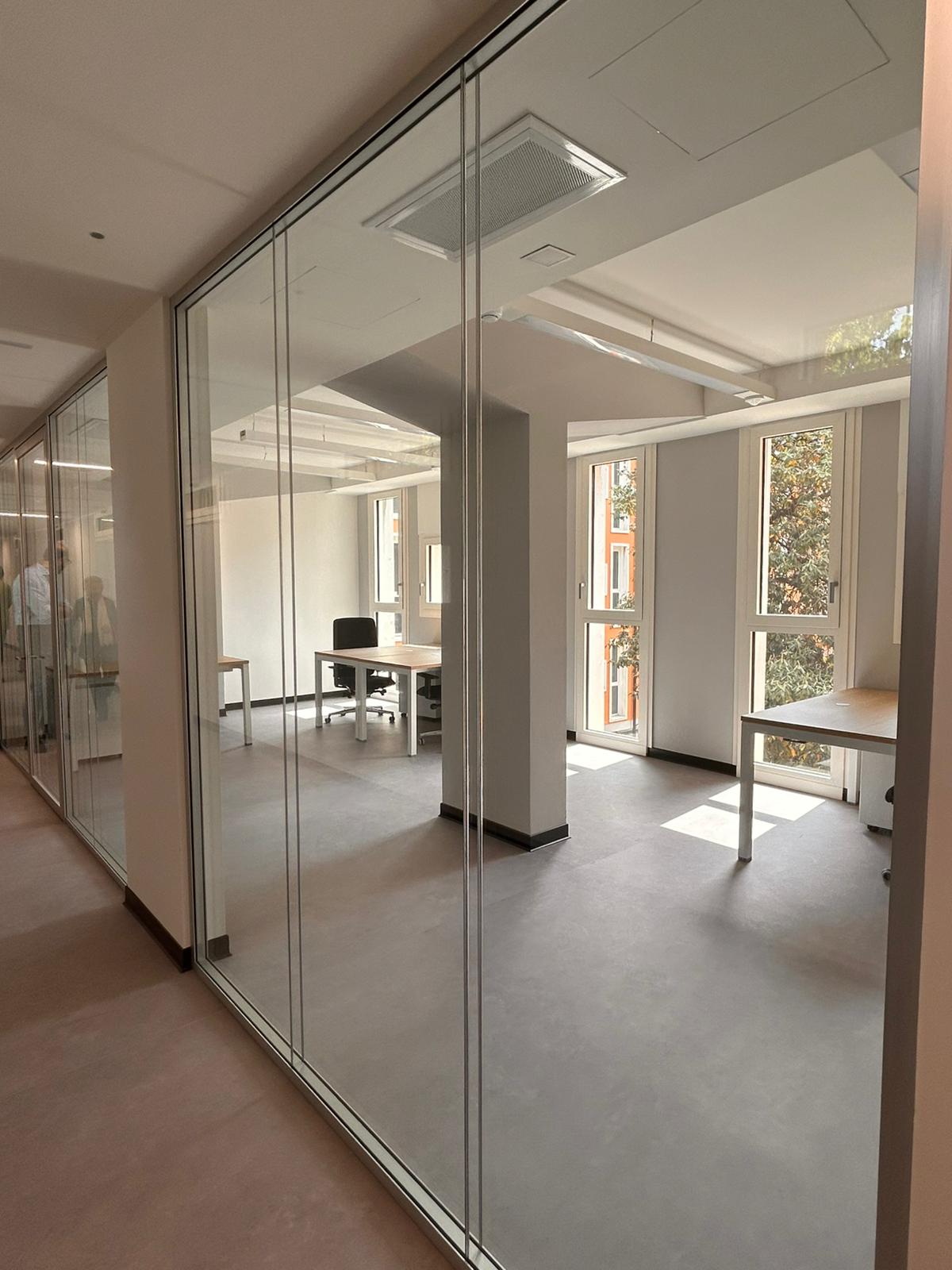
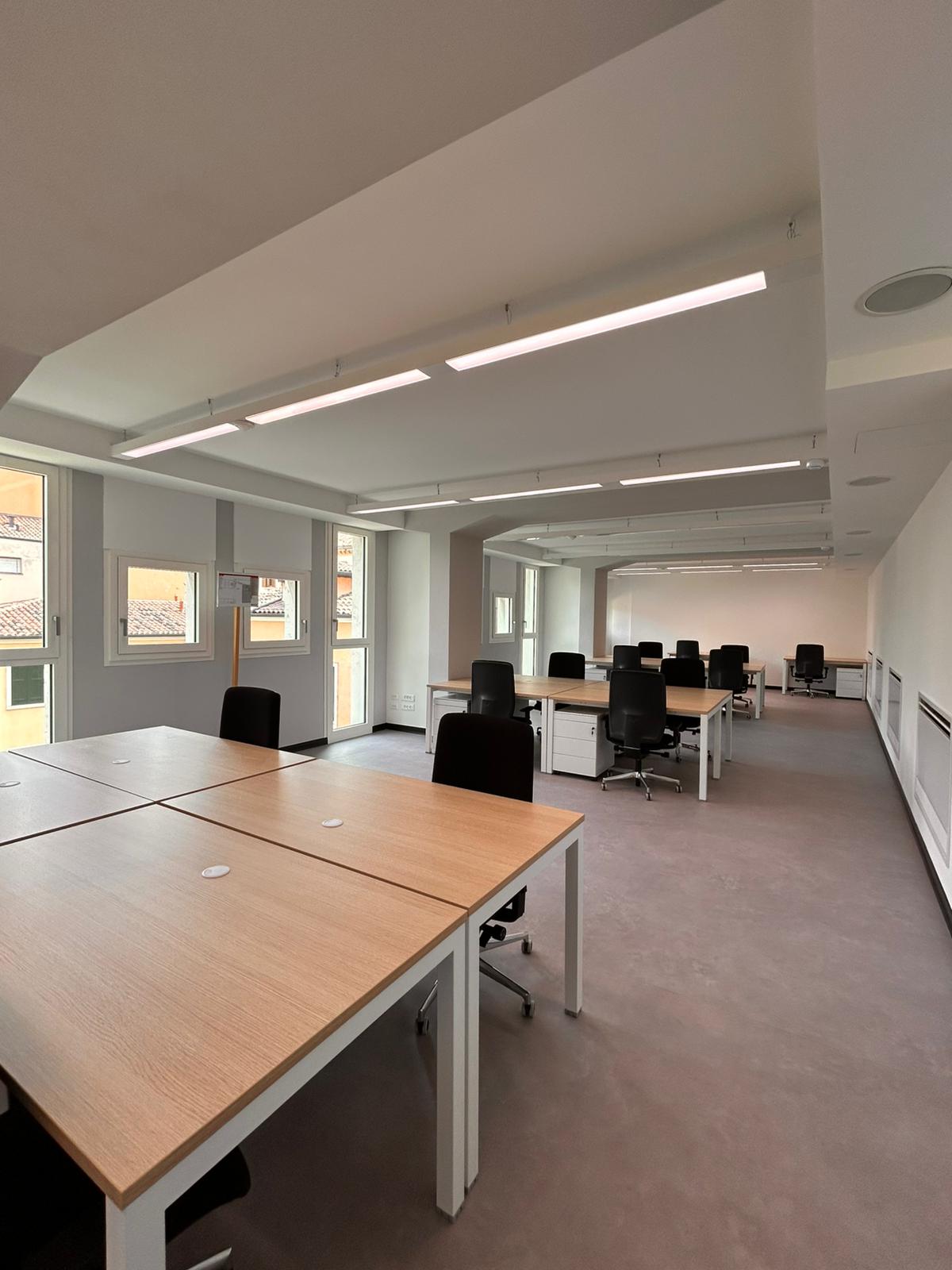
Padua, 29 April 2026 – The first OPM‑MEG facility in Italy has officially opened in Padua, together with new premises for the Padova Neuroscience Center, the Department of Neurosciences and the University Clinical Psychological Services of the University of Padua.
The new facilities are housed in the former Collegio Morgagni, following a major renovation and upgrading project that has transformed a historic university building into a state‑of‑the‑art neuroscience research infrastructure, with the contribution of Manens.
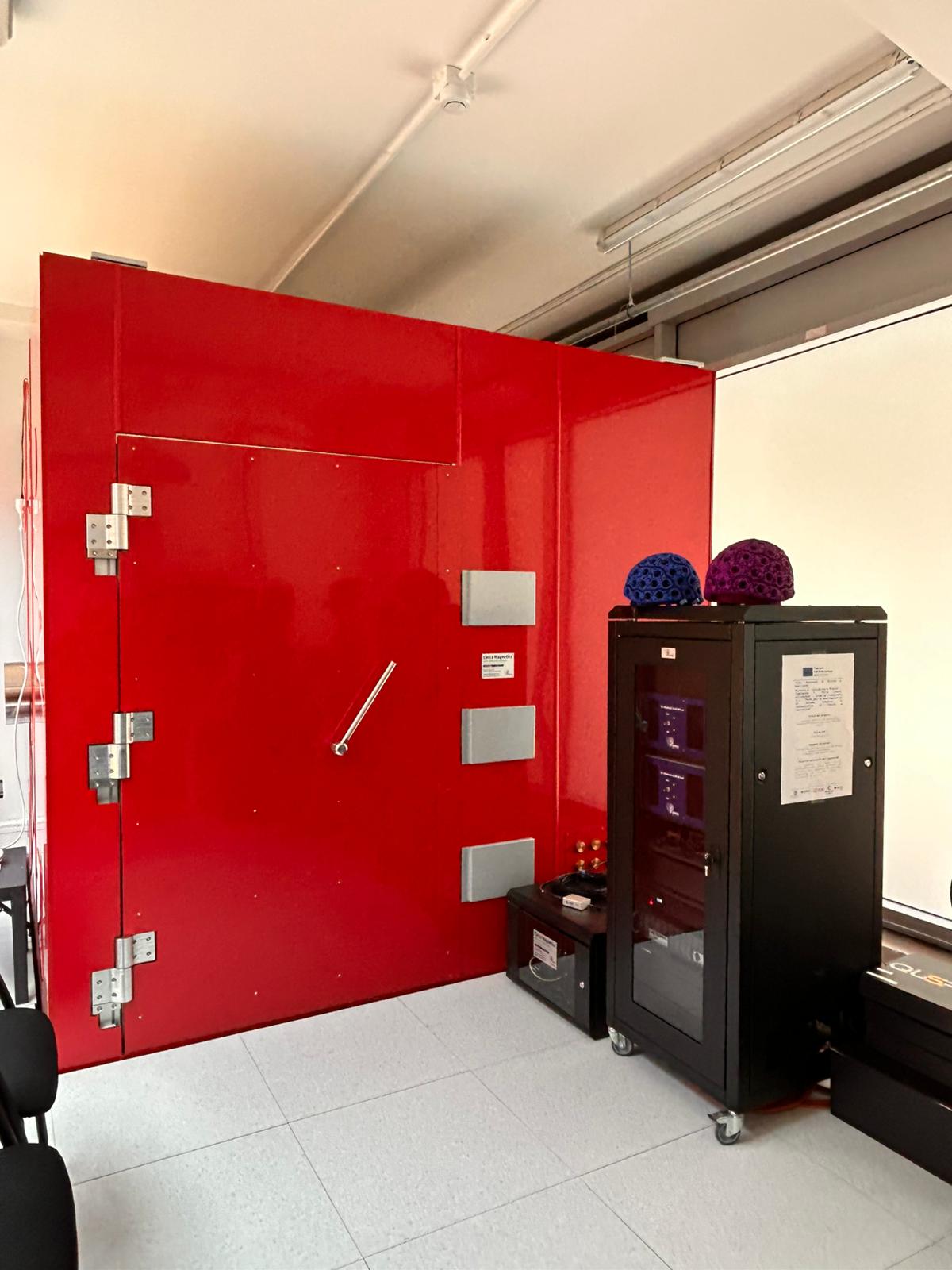
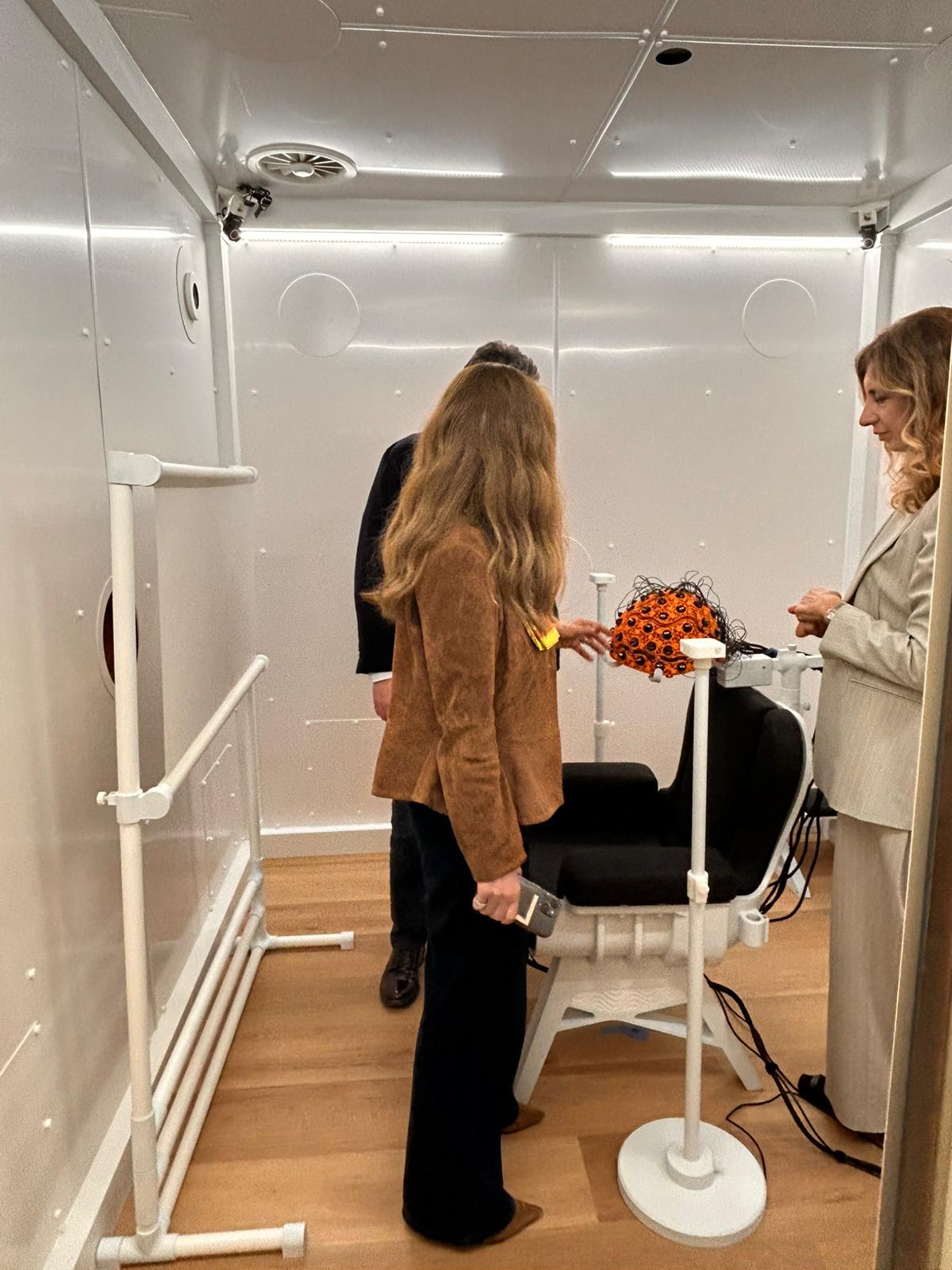
The new laboratory provides the University of Padua with access to a cutting‑edge technology currently available at only three other centres in Europe: OPM‑MEG (Optically Pumped Magnetometer Magnetoencephalography). The system enables real‑time measurement of brain activity with unprecedented accuracy, opening new avenues for research into cognitive processes and neurological and psychiatric disorders.
Bringing this technology to Padua required more than the installation of advanced equipment. The facility was made possible through the creation of purpose‑designed environments capable of hosting extremely sensitive instrumentation. In particular, the spaces were engineered to meet stringent requirements for acoustic, electromagnetic and vibration isolation, ensuring the stability and precision required for OPM‑MEG operation. The laboratory therefore represents the most advanced outcome of a redevelopment process conceived from the outset to support front‑line neuroscience research.
The Collegio Morgagni complex consists of the historic Palazzo Contarini, dating back to the 17th century, and a second building constructed between 1962 and 1963 to a design by engineer G. Brunetta, originally used as student accommodation. When the residential function of the more recent building was discontinued in 2015, the University was able to completely rethink its use, launching a transformation project aimed at creating new spaces for research, advanced education and university clinical services.
The renovation and regulatory upgrading project was carried out by STEAM (now Manens) as lead contractor, with SM Ingegneria responsible for structural engineering. Works supervision, entrusted to Manens S.p.A., played a key role in coordinating a highly complex intervention, ensuring that the renovated spaces fully met the technical requirements for neuroscience equipment while complying with the most advanced standards in terms of safety, functional reliability and energy efficiency.
The redevelopment strategy focused on three main objectives:
- Energy performance improvement, achieved through low‑energy systems and reversible design solutions compatible with the building’s historical character;
- Seismic upgrading, implemented through new structural cores and targeted foundation works designed to significantly enhance structural performance;
- Architectural heritage enhancement, with the preservation of original façade colours, selected rooms from the original Brunetta layout, and the clear expression of historic structural elements.
Manens oversaw the design process, works supervision and construction‑phase safety coordination, supporting the building’s transformation and closely monitoring execution timelines—an essential factor in meeting funding deadlines linked to the realization of the OPM‑MEG facility.
A project of exceptional technical complexity, this intervention has enabled the establishment of Italy’s first OPM‑MEG facility and new spaces dedicated to neuroscience and university clinical services, successfully combining the enhancement of the University of Padua’s architectural heritage with the needs of international, cutting‑edge scientific research.
Read more...

Cinema Embassy in Bologna Reopens as a Smart Building
Architectural heritage, sustainability and digital innovation at the heart of the Manens-led project

MCE 2026 showcases innovation in the HVAC‑R world
The 44th edition of MCE – Mostra Convegno Expocomfort has confirmed its leading role at an international level in the fields of civil and industrial building services, HVAC, renewable energy and the water sector.

Manens was responsible for the building services design and for construction management, coordinating all operational phases with the multidisciplinary team.