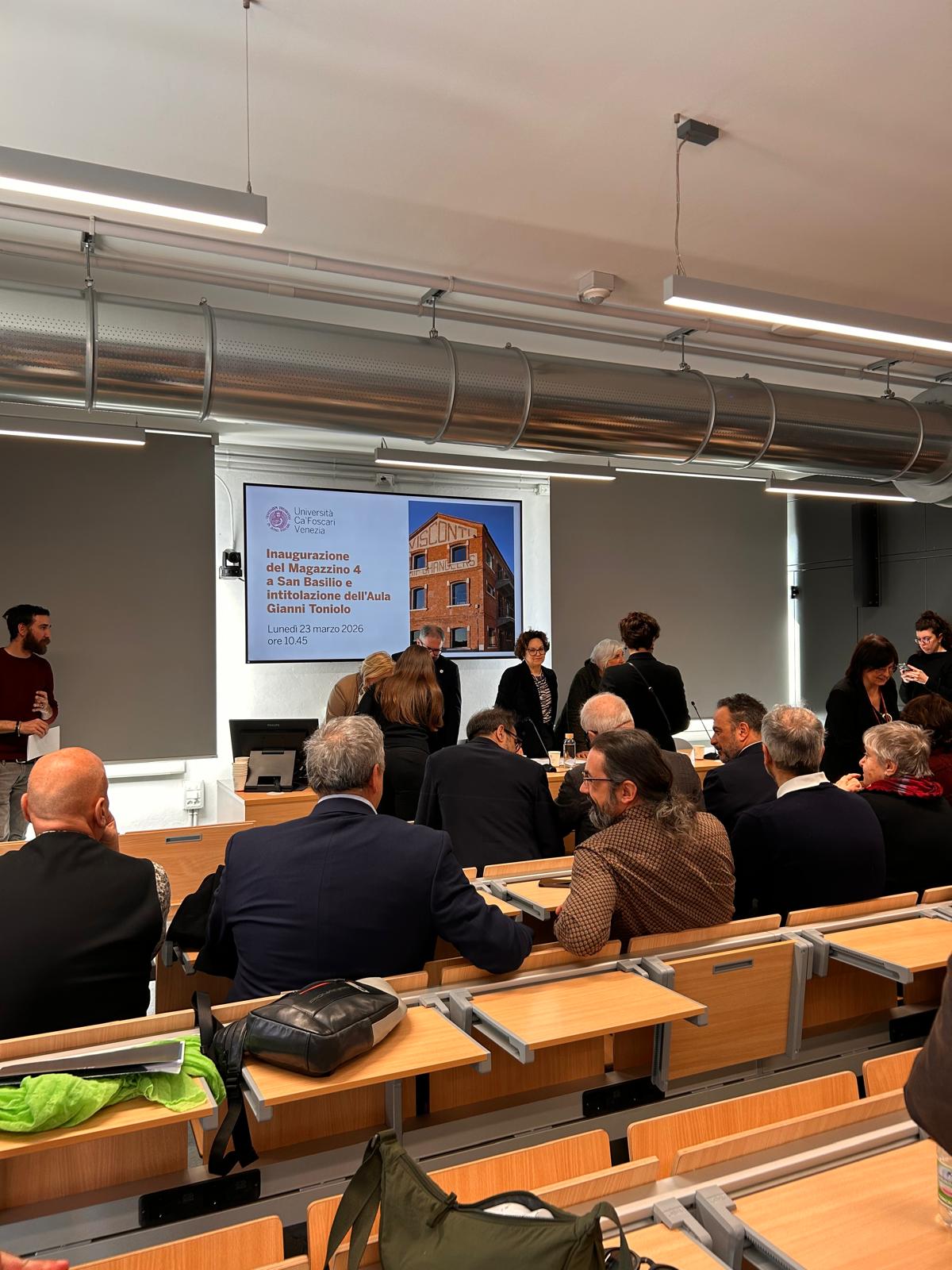
Venice, 23 March 2026 — Ca’ Foscari University has inaugurated Magazzino 4, the new centre of the San Basilio campus, now returned to the city and the academic community after a major transformation and restoration project.
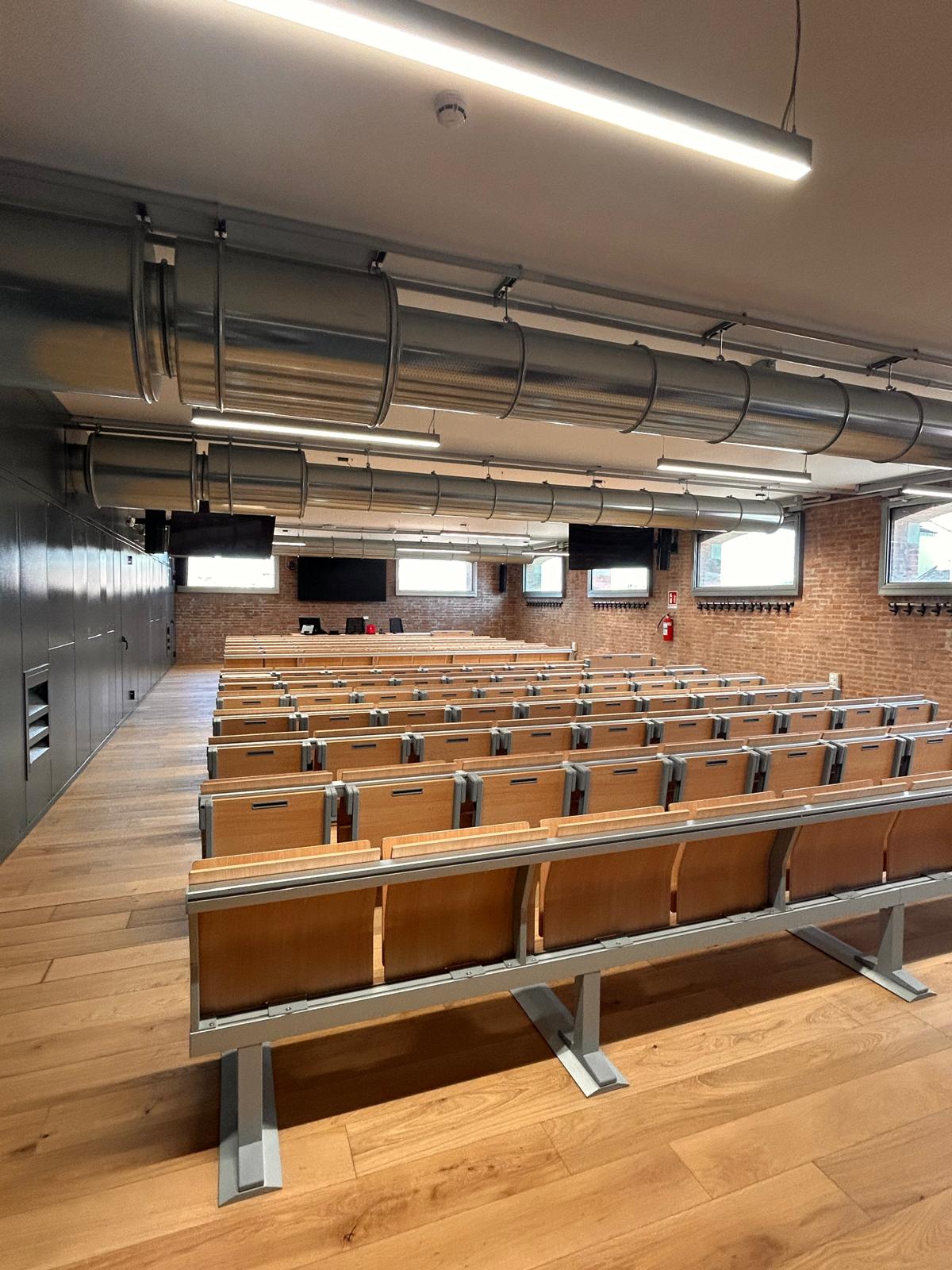
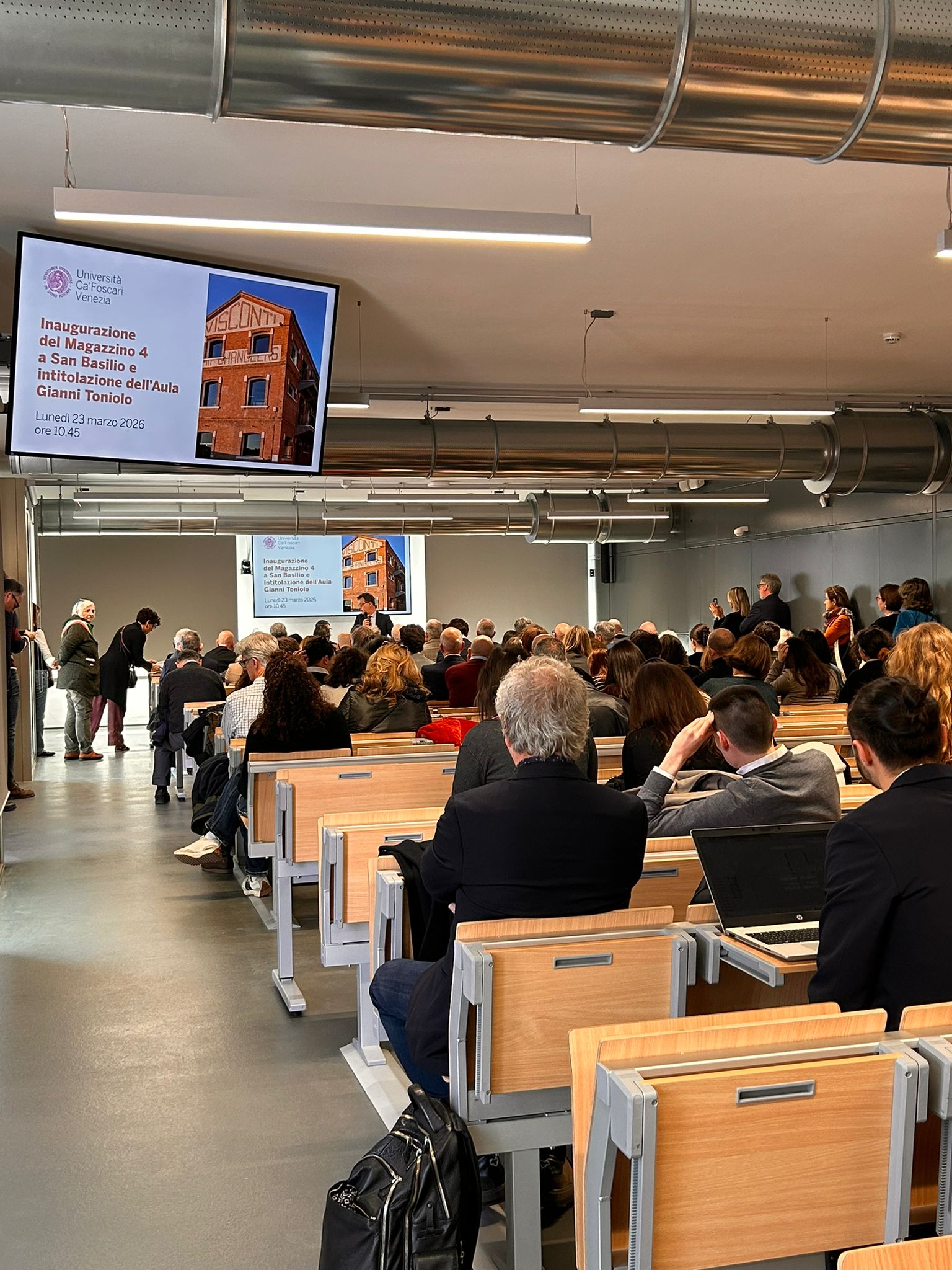
The event was hosted in the new Aula 2N, dedicated to Gianni Toniolo — Ca’ Foscari academic recognised for his contribution to the development of the University — in the presence of Rector Tiziana Lippiello, institutional representatives and members of the design team.
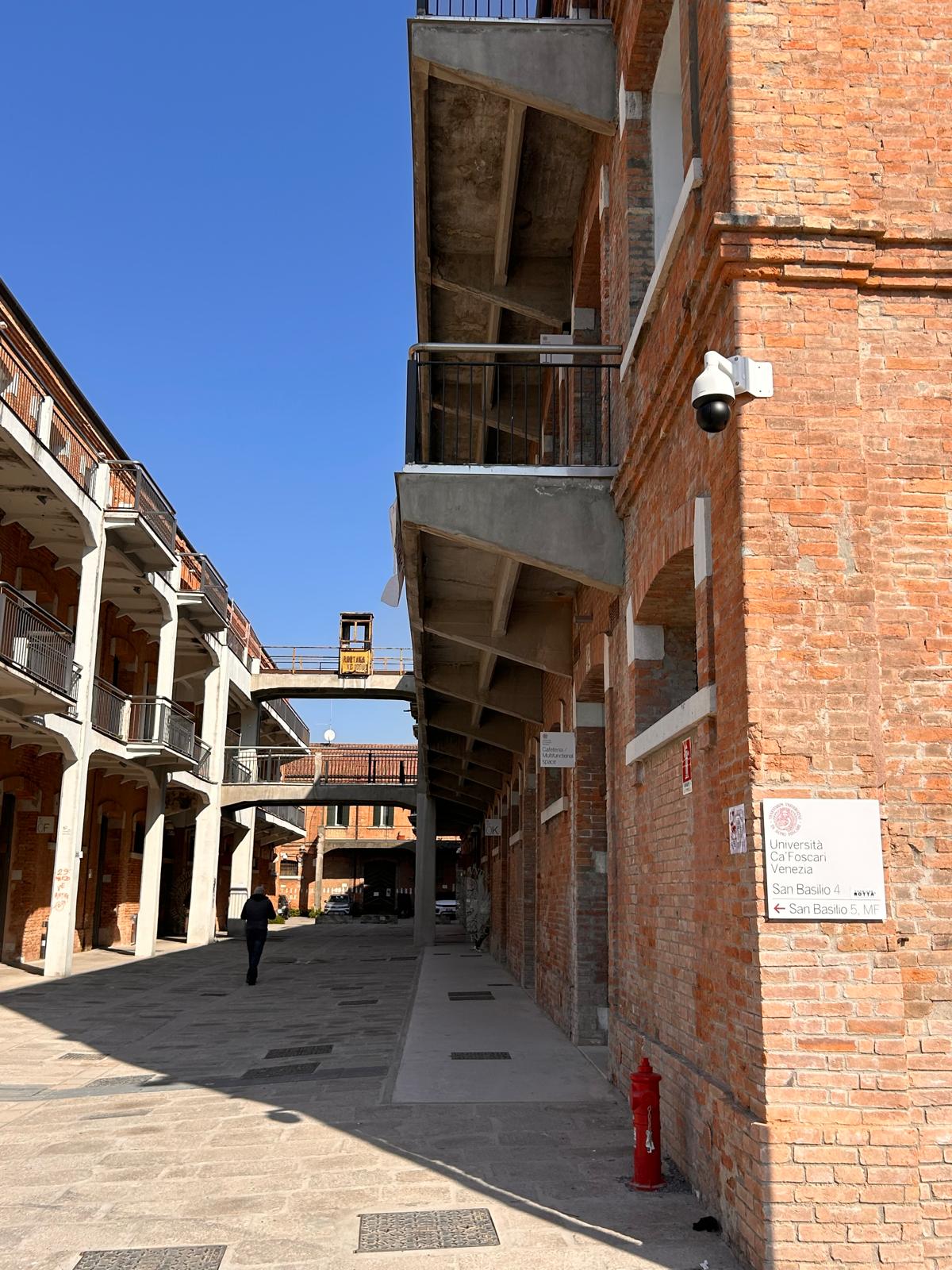
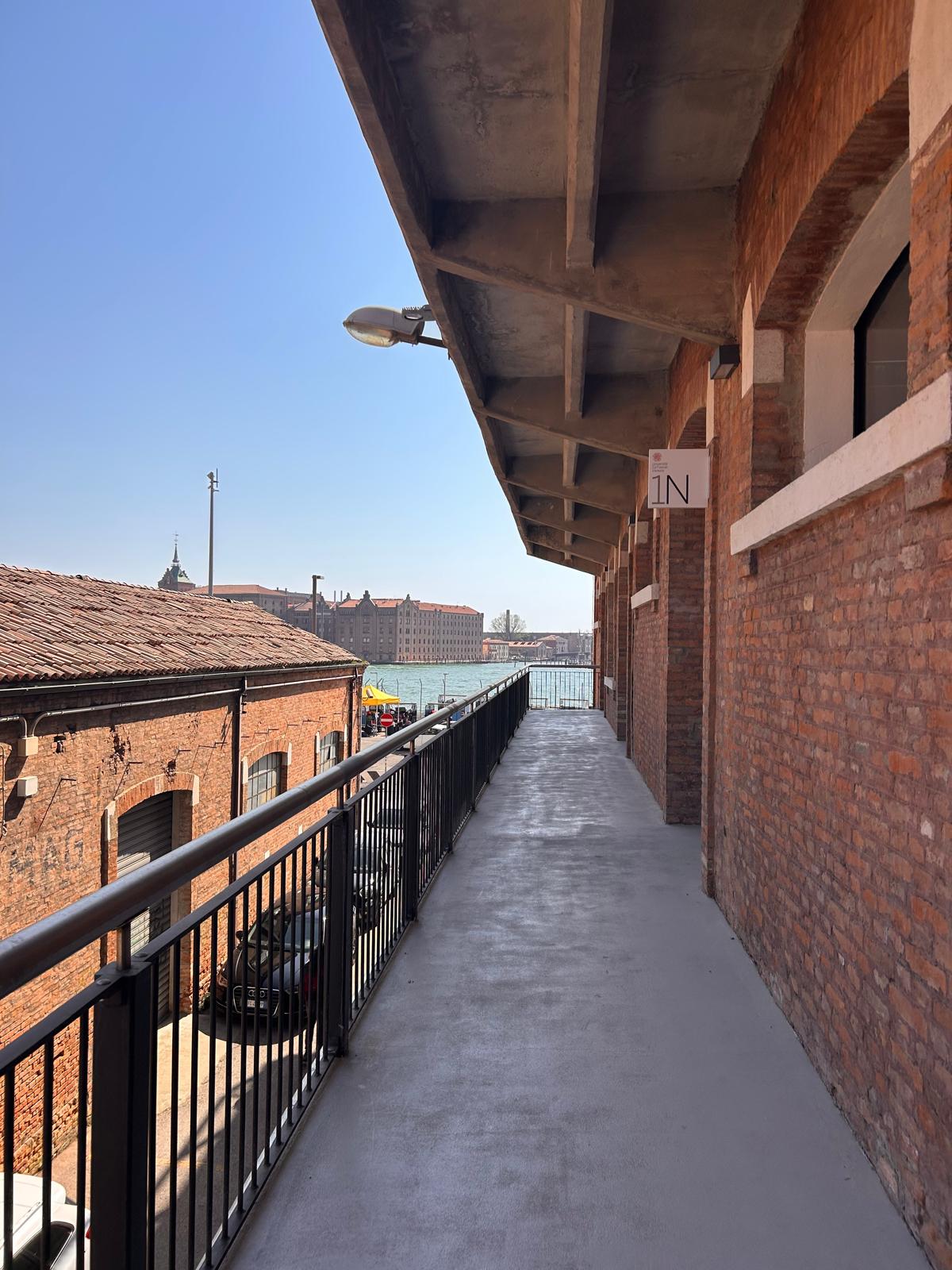
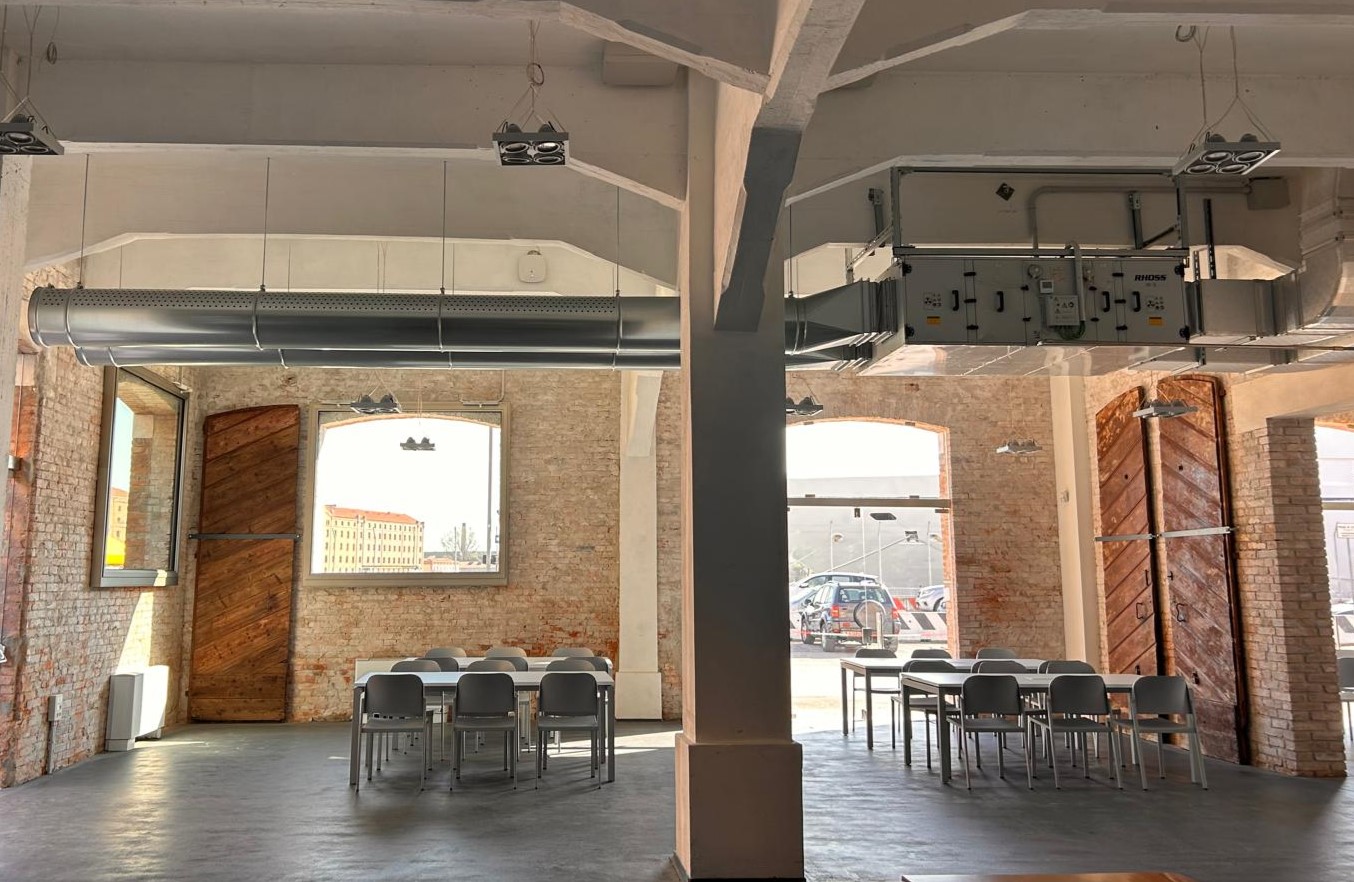
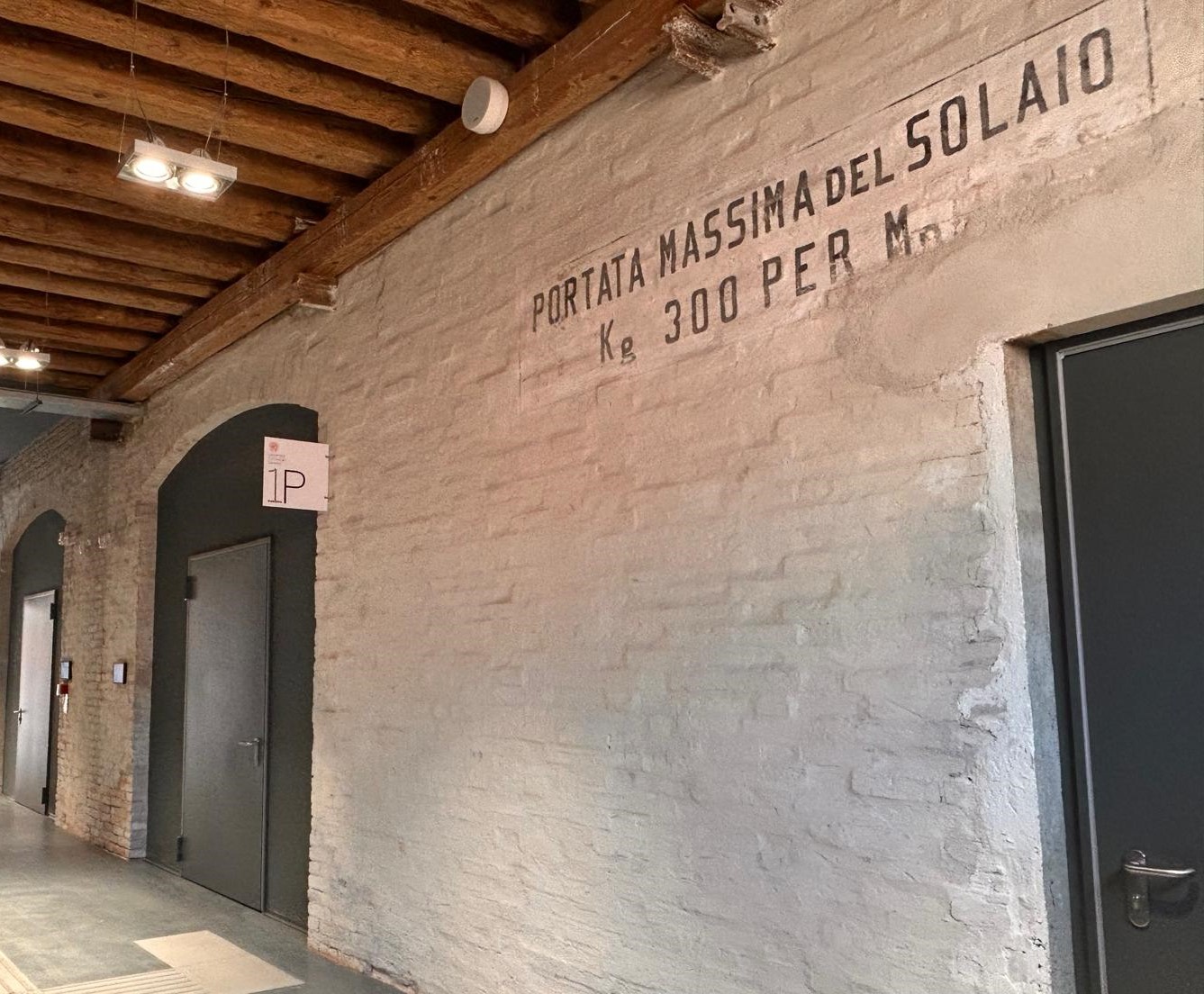
The building is part of a series of aligned warehouse facilities oriented toward the Giudecca Canal, built in the late 19th century to store goods in the San Basilio port area. After years of deterioration, the restoration has recovered and enhanced its historical elements — the concrete balconies, the twin block structure and the central staircase — giving it a new central role as a teaching hub with 1,254 seats and spaces for study, social interaction and university activities.
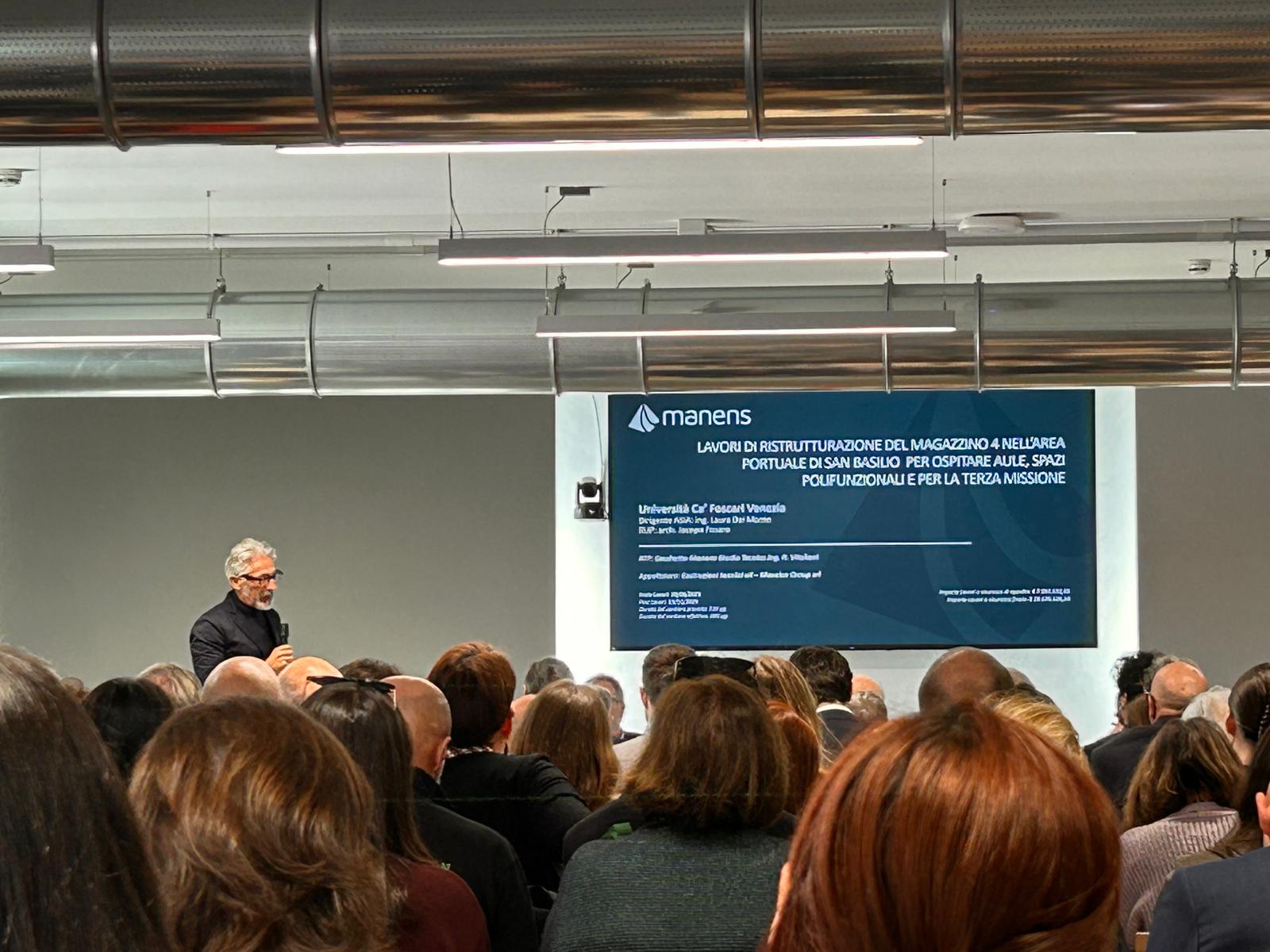
The regeneration process began in 2017 with the tender procedure and subsequent design phases, followed by a construction period from May 2023 to December 2025, carried out by the team composed of Cecchetto & Associati S.r.l. (lead firm), Manens S.p.A., Studio Tecnico Renato Vitaliani and Geol. Tiziano Padovan, in coordination with Project Manager Arch. Jacopo Fusaro. Manens was responsible for the building services design and for construction management, coordinating all operational phases with the multidisciplinary team.
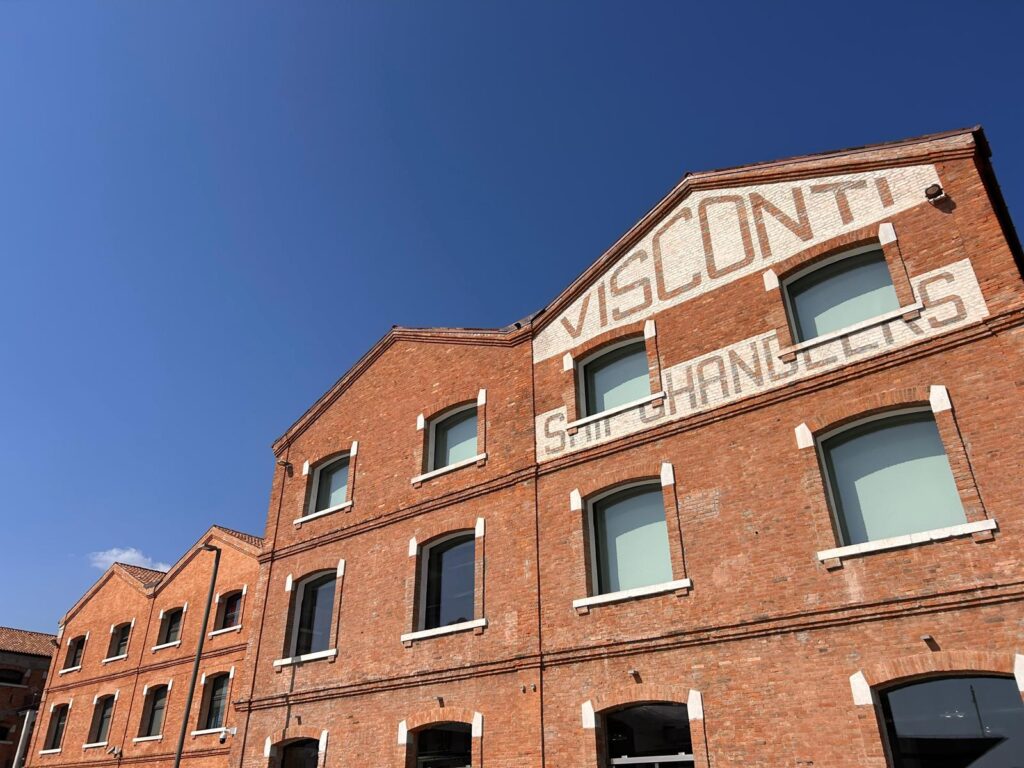
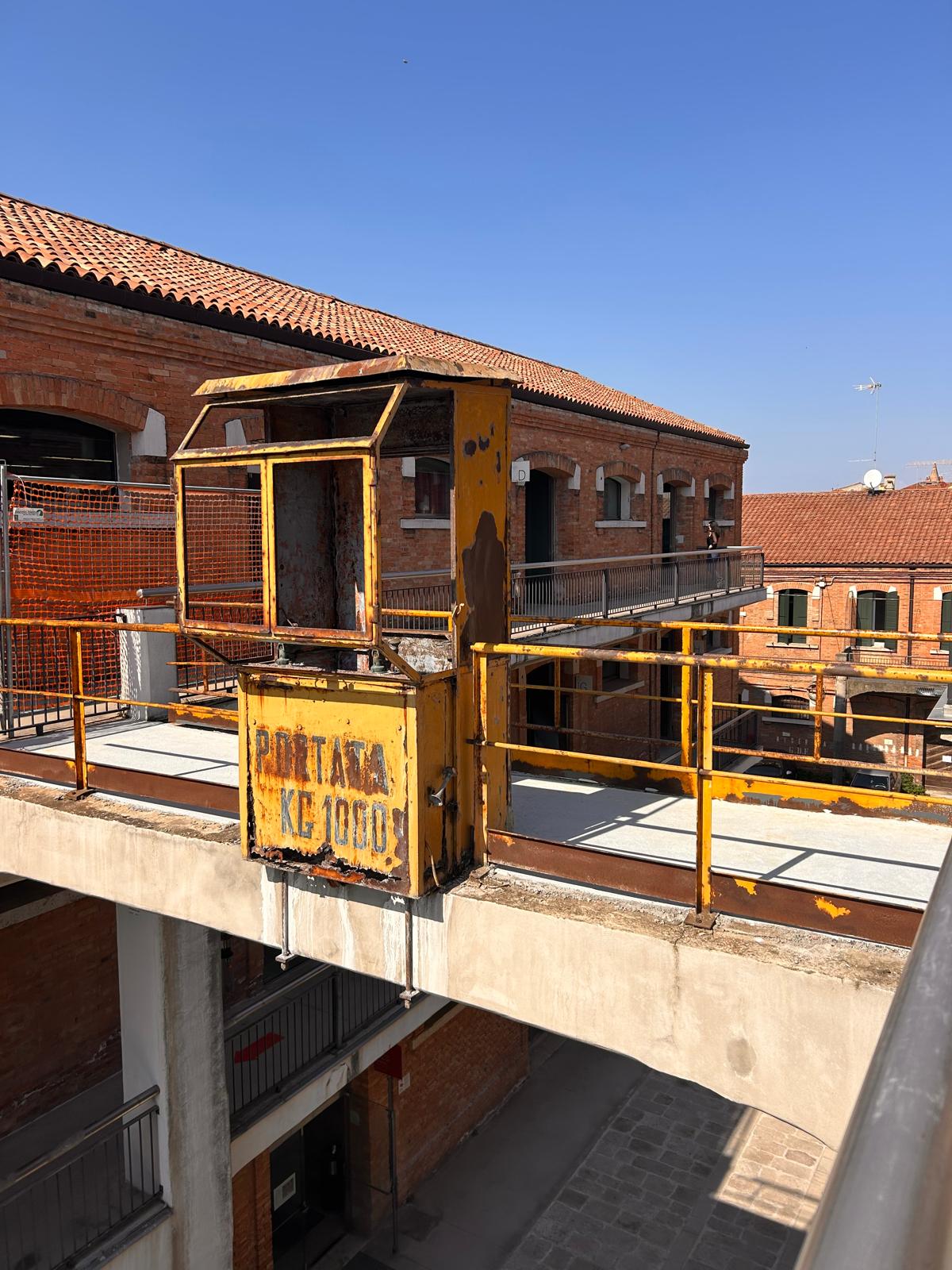
The intervention restored Magazzino 4’s authentic port-related identity while balancing it with the functional needs of its new university use. The façades were restored, and the original “Visconti” signage was uncovered as part of the work; the concrete balconies were reinforced, and the original gates and the crane bridge cabin were recovered and reintroduced as identifying elements of the building. The traditional Venetian stone paving blocks found during excavation were reused in the new exterior paving, visually reconnecting the building to nearby Fabbricato 5.
Structural works ensured stability and safety: floors were rebuilt or reinforced where needed, the entire building underwent seismic upgrading, and the roof was completely redesigned.
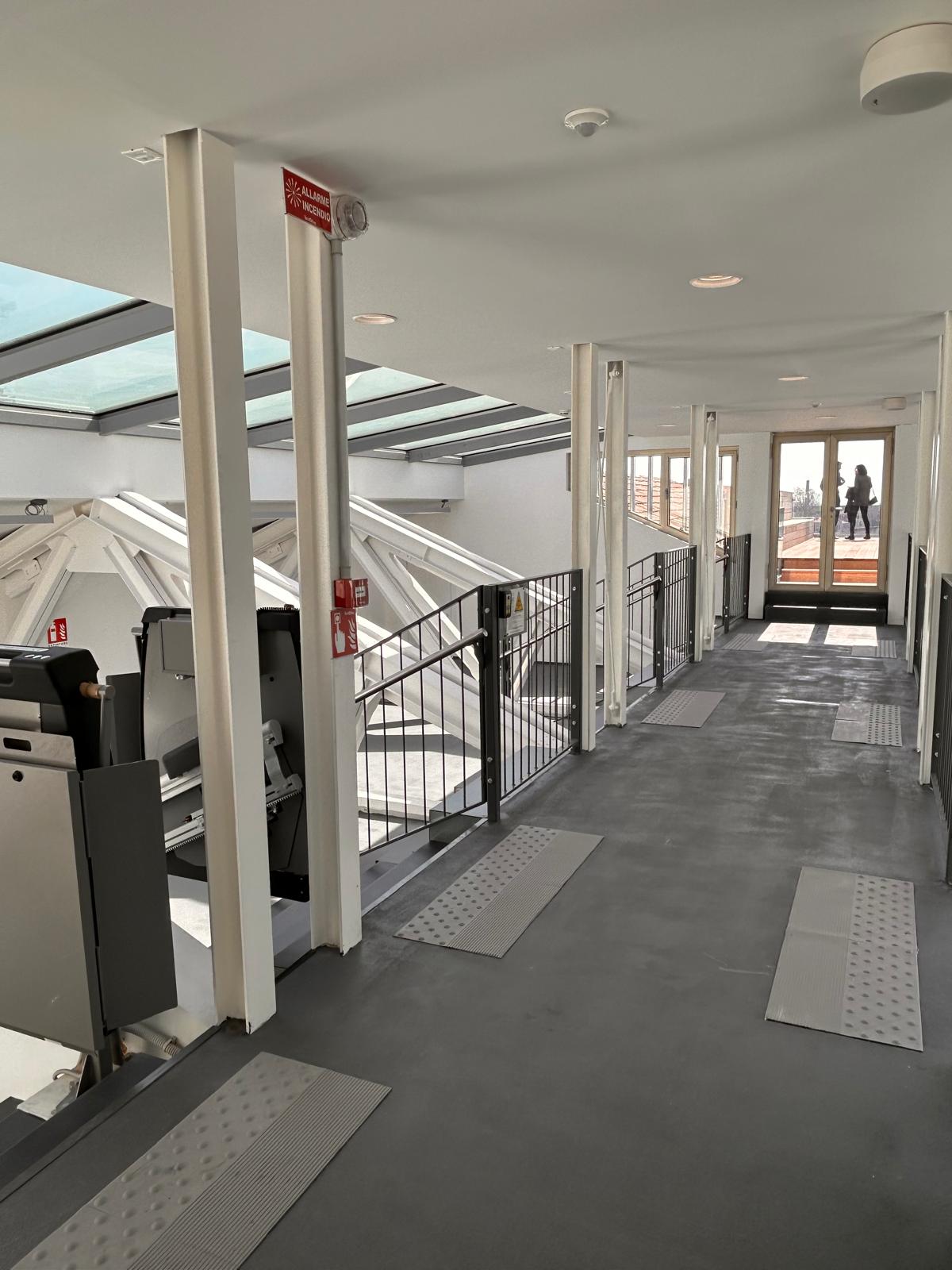
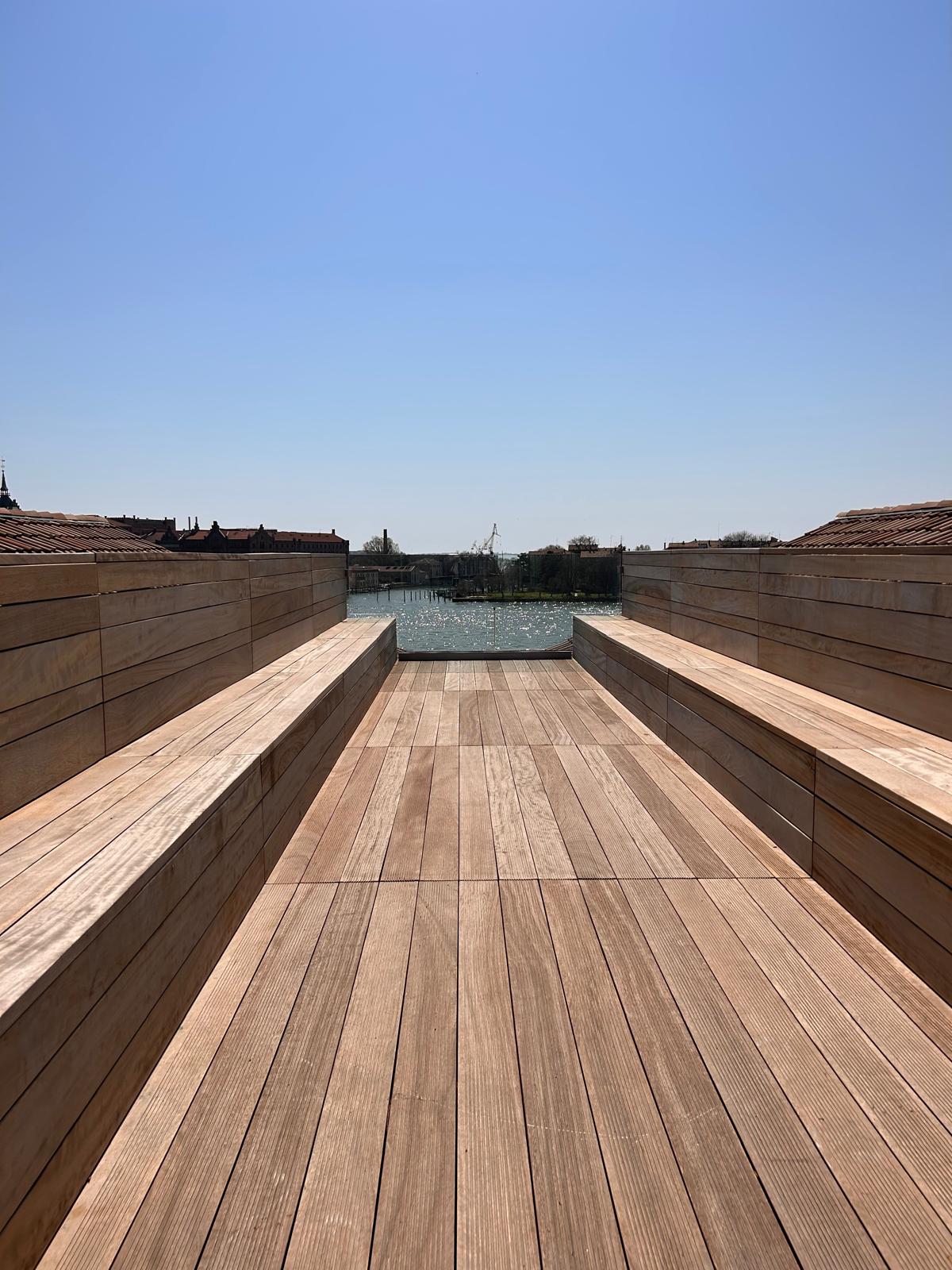
The reconstruction of the roof also made it possible to create the new volume between the two ridges, now hosting the panoramic terrace, a space for workshops and informal activities designed to discreetly integrate and conceal mechanical equipment without altering the historic roofline.
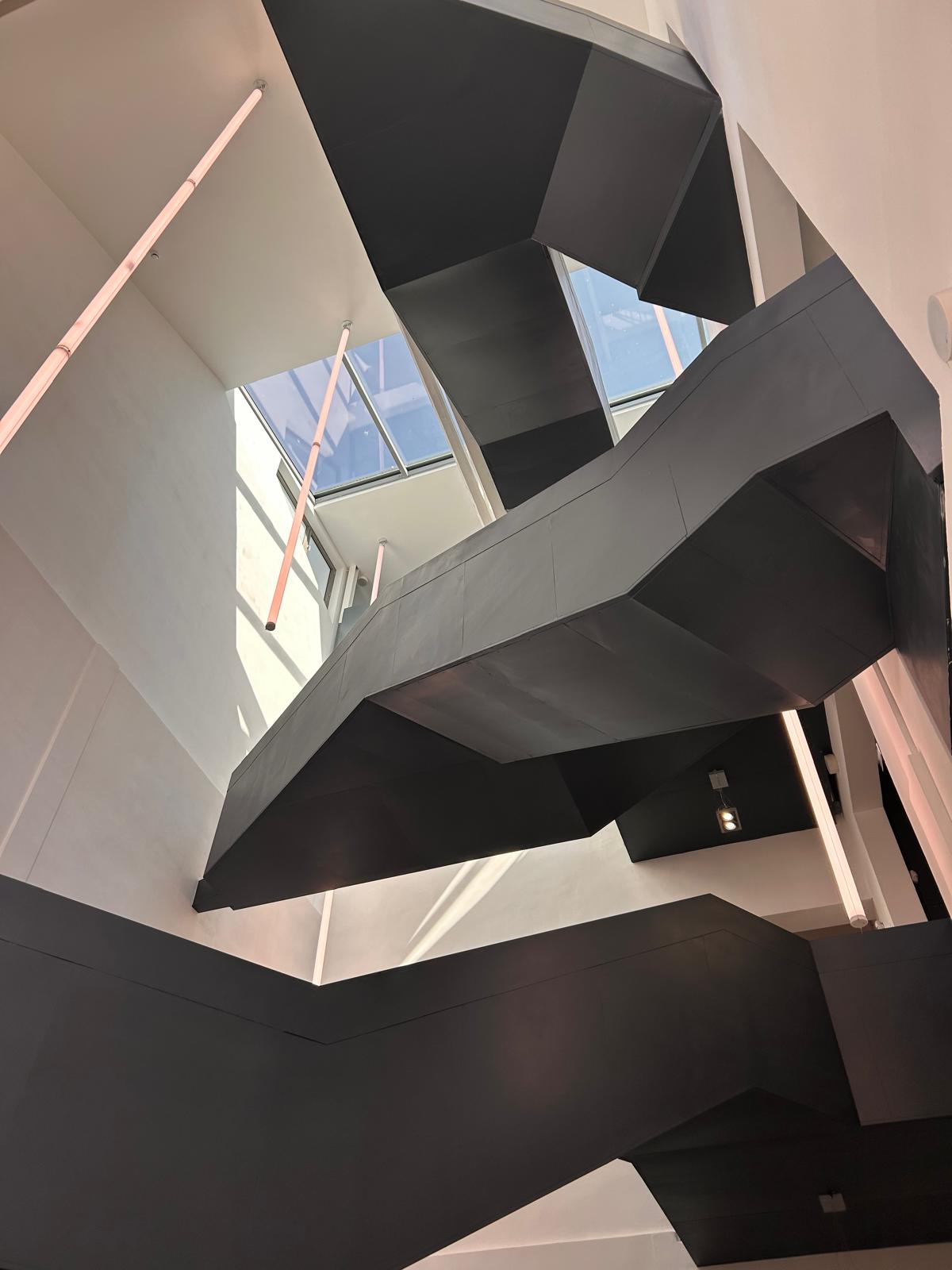
Another defining feature of the renewed Magazzino 4 is the custom designed metal staircase, which functions as both a vertical connection and a shared, narrative space thanks to graphic panels depicting the building before restoration.
The building plants were designed as a flexible, reversible system well integrated into the existing structure. Installed along the perimeter or within the new technical volume between the roof ridges, they preserve the building’s appearance from above and maintain coherence with its surrounding landscape.
The construction process benefited from a shared BIM platform, a digital as-built model and a video monitoring system, tools that supported coordination and streamlined the final stages — ensuring the project was delivered on schedule.
The new Magazzino 4 shows how history and innovation can interact, offering the University and the city a regenerated, functional building fully aligned with the future of the San Basilio campus.